7 Grandma Secrets on How to Keep Food Fresh Longer in the Fridge
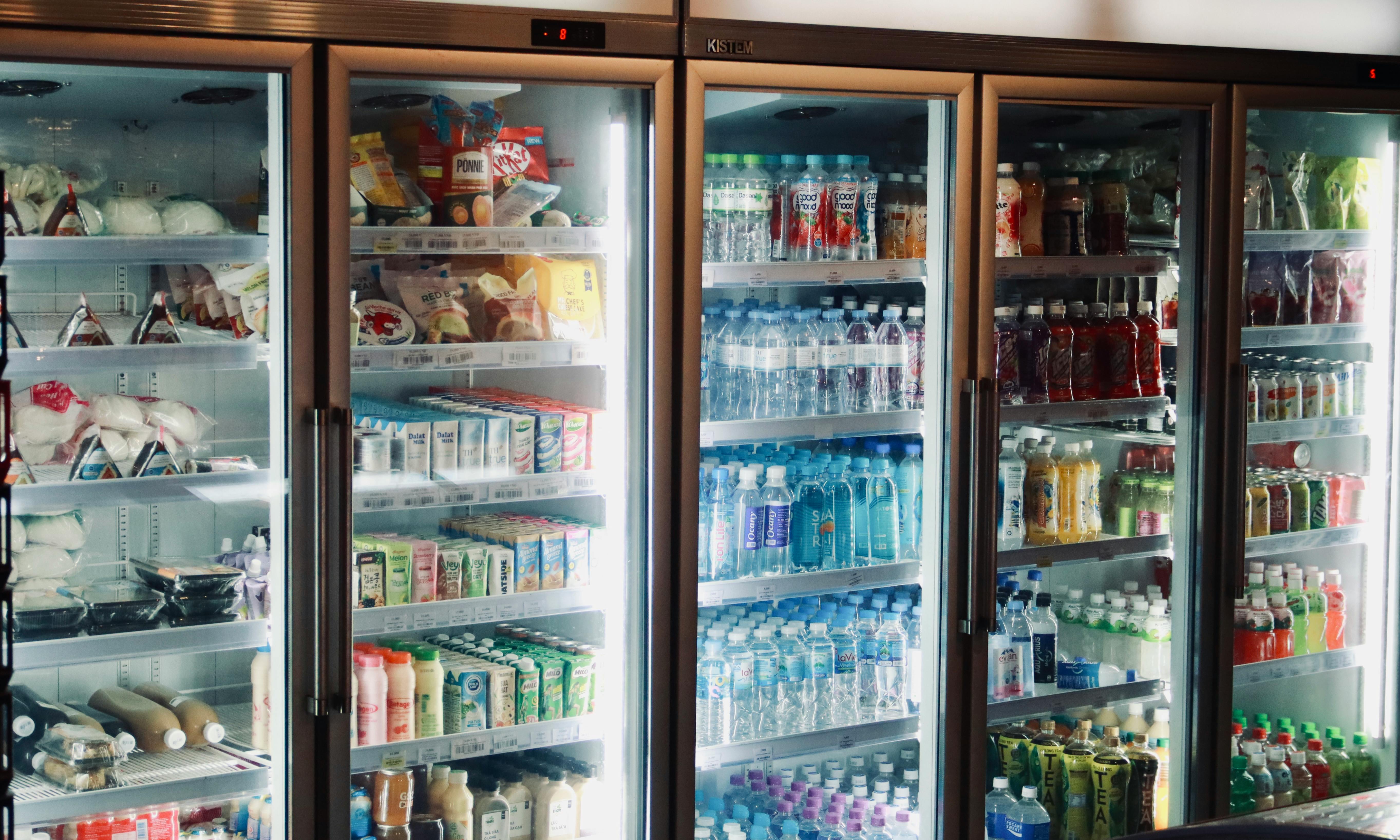
It breaks my heart every single time I see a sweet soul throwing away a mushy head of lettuce or a container of fuzzy strawberries that they just bought a few days ago. Throwing away food is just like throwing hard-earned dollars straight into the trash can, honey! Over my eighty years on this green earth, I’ve learned that you don’t need fancy, expensive gadgets or high-tech plastic containers to keep your groceries crisp. Today, I am going to share my time-tested secrets on how to keep food fresh longer in the fridge so you can serve delicious, vibrant meals to your family while keeping your wallet happy and full.
Back in my younger days, we didn't have those fancy smart-fridges that beep at you when the door is open. We had to rely on simple, practical wisdom to make every single ingredient stretch. If you want to master the art of a frugal, efficient kitchen, you can read even more tips on how to keep food fresh longer in the fridge on my blog page whenever you have a quiet moment with a cup of tea. But for now, let's roll up our sleeves and look at the simple things you need to get started.
Grandma’s Simple Food-Saving Supplies
You don't need to run to the store to buy anything expensive, sweetheart. Look in your cupboards right now, and you will likely find everything we need to set your fridge up for success:
| Simple Tool | How Grandma Uses It |
|---|---|
| Plain White Vinegar | Kills mold spores on berries and sanitizes fridge shelves. |
| Paper Towels or Clean Cotton Cloths | Absorbs excess moisture that causes rot and slime. |
| Glass Mason Jars | Creates an airtight seal that keeps chopped veggies crisp for a week. |
| Baking Soda | Neutralizes odors so your milk doesn't taste like leftover onions. |
1. The Paper Towel Blanket Trick for Leafy Greens
Oh, we all know the tragedy of the slimy bag of spinach, don't we? You buy it with the best intentions for a healthy salad, and three days later, it looks like swamp water. Here is my favorite secret: moisture is the absolute enemy of leafy greens once they are harvested.
Whenever you bring home pre-washed salad greens or spinach, open up the bag or container immediately. Line the bottom with a dry sheet of paper towel or a clean, thin kitchen cloth. Place the greens on top, and then place another paper towel right on top of them before closing the container. This soft little blanket absorbs the condensation that naturally builds up inside the plastic. If the paper towel gets damp after a couple of days, simply swap it out for a fresh, dry one. This simple trick will easily double the lifespan of your greens!
2. Give Your Berries a Warm-Weather Vinegar Bath
Berries are a wonderful treat, but they can grow mold faster than you can blink. That mold is caused by tiny spores that live on the skin of the fruit. To stop them in their tracks, you must give them a gentle bath as soon as you get them home.
Mix one part white vinegar with three parts cold water in a large bowl. Submerge your strawberries, blueberries, or raspberries in this mixture and let them swim for about five minutes. Don’t worry, dear, they won't taste like vinegar at all! Afterward, rinse them thoroughly with cold water. Now, here is the crucial step: you must let them dry completely. Lay them out on a clean towel until they are bone-dry to the touch before putting them into a clean container lined with a dry paper towel. This method is highly recommended by experts at Good Housekeeping's guide on fridge organization for keeping produce sparkling clean and mold-free.
3. Treat Your Fresh Herbs Like a Beautiful Bouquet
If you treat your parsley, cilantro, and dill like cut flowers, they will reward you by staying vibrant and green for weeks. Please don't leave them suffocating in those tight plastic produce bags!
Instead, trim the very bottoms of the stems with a sharp pair of kitchen shears. Fill a small glass jar or cup with an inch of fresh, cold water, and place the herb stems directly inside, just like you would with fresh roses from the garden. For herbs like parsley and cilantro, loosely drape a plastic bag over the top of the leaves to create a little greenhouse environment, and pop the jar right onto your middle shelf. For basil, however, keep it right on your kitchen counter! Basil hates the cold of the fridge and will turn black if you put it in there.
4. Learn the Secret "Neighborhoods" of Your Fridge
Your refrigerator is not the same temperature all the way through, honey. Some spots are much warmer than others, and putting the wrong food in the wrong neighborhood is a recipe for quick spoilage.
- The Door: This is the warmest part of the fridge because it opens and closes all day long. Only keep condiments, preserves, and juices here. Never keep your milk or eggs in the door, no matter how convenient those little built-in egg cups look!
- The Bottom Shelf: This is the coldest part of your fridge. Keep your raw meats and dairy products here. It's safe and prevents any accidental drips from contaminating other foods.
- The Crisper Drawers: If your drawers have sliders, set one to high humidity (closed vents) for leafy greens, broccoli, and carrots. Set the other to low humidity (open vents) for apples, pears, and stone fruits.
If you want to read more about organizing your kitchen space to prevent waste, I have shared more tips on how to keep food fresh longer in the fridge that will help you turn your refrigerator into an organized haven of freshness.
5. Keep the Ethylene Enemies Apart
Did you know some fruits and vegetables act like grumpy neighbors who just can't get along? Some produce releases a natural gas called ethylene as it ripens. Other fruits and vegetables are incredibly sensitive to this gas and will rot rapidly if they are forced to sit next to it.
Apples, pears, and ripening bananas are heavy ethylene producers. Keep them far away from your leafy greens, carrots, cucumbers, and broccoli. If you store an apple in the same drawer as your broccoli, that broccoli will turn yellow and woody in a matter of days. Keep your gas-producers in a separate drawer or, even better, keep your bananas hanging on a hook on the counter away from your other fruits.
6. The Magic of Chopped Veggies in Glass Mason Jars
I love prep-cooking on Sundays, sweetheart. It makes the rest of the week go so smoothly! If you love having chopped celery, carrots, or bell peppers ready for quick snacking or cooking, do not store them in plastic bags.
Instead, pack them tightly into glass Mason jars and fill the jars with clean, cold water before sealing the lids tightly. Celery and carrots stored this way will stay incredibly crunchy and sweet for up to two full weeks! Just make sure to change the water every couple of days to keep it fresh and clean.
7. Don't Wash Produce Until You are Ready to Eat It
I know it is tempting to wash everything the minute you get home from the grocery store, but unless you are doing the specific vinegar bath for berries, please resist the urge! Washing adds moisture, and moisture encourages the growth of bacteria and mold.
Keep your grapes, plums, and peaches unwashed in the fridge, and only wash them right before you put them in your mouth or use them in your cooking. This simple act of patience will save you so much money over the course of a single year.
Frequently Asked Questions
Should I store my potatoes and onions in the fridge?
Oh, absolutely not, honey! Potatoes hate the cold because the starch inside them turns to sugar, making them gritty and sweet. Onions will get soft and make your whole fridge smell. Keep them both in a cool, dark, dry pantry—but keep them away from each other, or the onions will make the potatoes sprout prematurely.
Can I keep eggs on the refrigerator door?
As tempting as those little door compartments are, please don't do it. The temperature on the door fluctuates too much. Keep your eggs in their original carton on the middle or bottom shelf where the temperature remains consistently cold and safe.
My celery has gone completely limp. Can I save it?
Bless your heart, don't throw it out! Chop off the very bottom of the celery bunch and submerge the stalks in a bowl of ice-cold water for about thirty minutes. The cells of the celery will drink up the water, and it will snap back to being perfectly crisp and crunchy again.
Is it safe to store opened canned food in the tin inside the fridge?
I highly advise against this. Once a tin can is opened, the tin or iron can slowly transfer into the food, giving it a nasty metallic taste and speeding up spoilage. Always transfer your leftovers, like canned pumpkin or tomato paste, into a clean glass or food-safe plastic container before refrigerating them.


Comentários
Postar um comentário