How to Save Money on Groceries Every Week: 7 Grandma Secrets
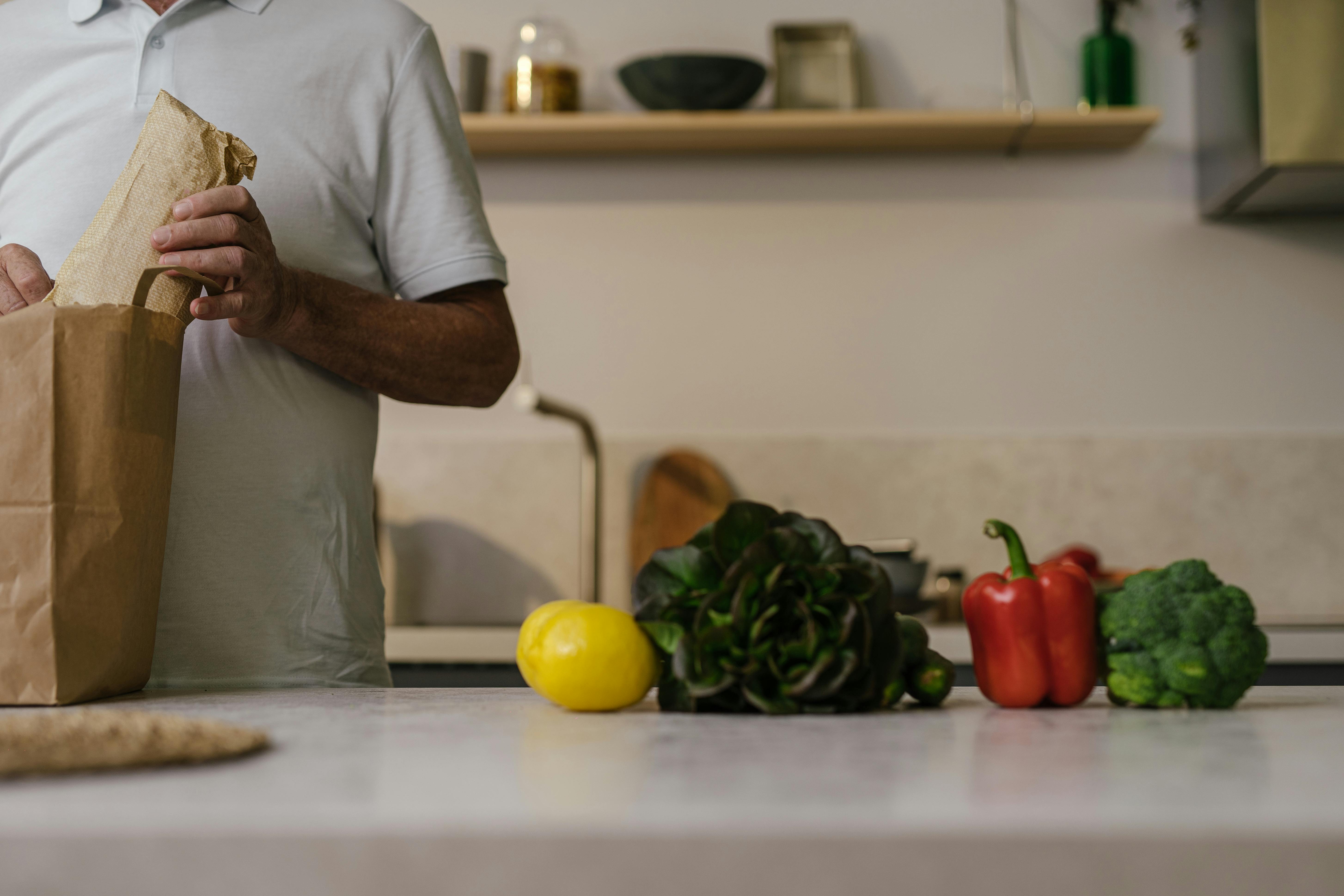
Back in my day, we didn't have fancy budgeting apps on our phones to watch our pennies, but we knew exactly how to stretch a single dollar until it practically sang. Today, life moves so fast, and every single time you walk out of the supermarket, it feels like your wallet is a little lighter than it used to be. Don't worry, sweetheart, Grandma is here to help you get those food costs back under control. Learning how to save money on groceries every week isn't about starving yourself or eating tasteless cardboard; it is simply about being clever, using what you have, and returning to the honest, simple kitchen secrets that kept families fed for generations.
Grab yourself a warm cup of tea, pull up a chair, and let’s talk about how we can keep your pantry full and your hard-earned money in your pocket where it belongs.
Grandma’s Emergency Budget Pantry Staples
Before we look at my favorite tricks, let me show you the modest ingredients that should always have a home in your cupboards. These are the workhorses of a frugal kitchen. They cost next to nothing, they keep for months, and they can be transformed into a hundred different comforting meals.
| Pantry Staple | Why Grandma Loves It | Frugal Magic Trick |
|---|---|---|
| Dry Lentils & Beans | Cheap as dirt and packed with protein. | Mix them half-and-half with ground beef to double your taco meat. |
| Old-Fashioned Oats | Lasts forever in the pantry and fills tummies fast. | Grind them up to use as a healthy, cheap thickener for stews and meatloaves. |
| Whole Carrots | Much cheaper than those fancy pre-washed baby carrots. | Grate them into spaghetti sauce to add bulk, sweetness, and nutrition for pennies. |
| Canned Whole Tomatoes | A pantry absolute lifesaver. | Blend them with a little garlic and butter for a rich pasta sauce that beats jarred brands. |
| All-Purpose Flour | The ultimate building block of the kitchen. | Mix with water, salt, and yeast for homemade bread that costs fifteen cents a loaf. |
1. Shop Your Own Pantry Before You Open Your Purse
Honey, the biggest waste of money doesn't happen at the checkout lane—it happens right inside your own kitchen. Too many folks run to the grocery store because they "have nothing to eat," when their cupboards are actually hiding a dozen potential meals. I call this shopping your own pantry first.
Once a week, before you write down a single item on your shopping list, open your pantry, your fridge, and your freezer. Pull out those cans of beans that have drifted to the back. Look at that half-used bag of frozen peas. Challenge yourself to make at least two dinners using only what you already have in the house. You will be amazed at the creative dishes you can whip up, and you’ll instantly shave thirty or forty dollars off your weekly bill.
2. Learn the Gentle Art of "Stretching" Your Meat
When I was raising my babies, meat was a luxury, not a daily guarantee. If you want to know how to save money on groceries every week, you must learn how to make a little bit of meat go a very long way. We call this "stretching the protein."
If you are making a recipe that calls for a pound of ground beef, use only half a pound. Fill the other half of the recipe with cooked brown lentils, finely chopped mushrooms, or cooked oats. Once it's simmered in your seasonings, your family won't even notice the difference! Their bellies will be just as full, the meal will actually have more fiber, and you just saved yourself the price of half a pound of meat. You can find some lovely inspiration with these cheap eat recipes on BBC Good Food to get you started on cooking hearty meals for less.
3. Step Away from the "Convenience Tax"
Oh, sweetheart, the grocery store loves to charge you for things you can easily do yourself in five minutes. I call this the convenience tax. When you buy pre-shredded cheese, pre-chopped onions, or little bags of pre-washed lettuce, you are paying triple the price for a tiny bit of saved time.
Buy your cheese in a big block and shred it yourself. Not only is it much cheaper, but block cheese doesn't have those dusty chemical powders added to keep the shreds from sticking together. It melts beautifully! The same goes for carrots, onions, and potatoes. Buy them whole, dirty, and cheap. Put on some nice music in the kitchen, grab a sharp knife, and enjoy the peaceful ritual of chopping them yourself.
4. Master the Simple "Use-Up" Dinner
At the end of the week, you will inevitably have a few sad-looking vegetables sitting in the bottom drawer of your refrigerator. A wrinkly bell pepper, a soft zucchini, or a handful of lonely spinach leaves. Do not throw them in the trash! That is hard-earned money slipping away.
Instead, have a designated "Use-Up" night once a week. My favorite way to do this is with a simple frittata. Whisk up six eggs, chop up those sad veggies, throw in any leftover bits of cheese or cooked meat, and bake it in a skillet. It looks beautiful, tastes delicious, and cleans out your fridge in one fell swoop. You can also toss everything into a pot with some broth for a comforting "clean-the-fridge" soup.
5. Never Shop Without a Plan (and a Full Tummy!)
Going into a supermarket without a list is like going into a battle without a shield, dear. The stores are designed by experts who want to tempt you into buying things you don't need. They put the sweet smells of the bakery right at the front and the sugary cereals at eye level to entice you.
Sit down on Sunday morning with the store flyer and write down a simple plan based only on what is on sale that week. Stick to that list like glue! And please, never, ever go grocery shopping when your stomach is rumbling. If you shop hungry, you’ll end up with a cart full of expensive snacks and frozen pizzas that will ruin your budget before you even get home.
6. Get Cozy with Frozen and Canned Vegetables
Don't let anyone make you feel bad about buying canned or frozen vegetables, honey. Many times, frozen veggies are actually healthier than the fresh ones that have been sitting on a truck for two weeks, losing their vitamins along the way. Frozen veggies are picked at their absolute peak and frozen immediately.
They are also a wonderful way to prevent food waste. If you buy a bag of fresh spinach, it sometimes turns to green slime before you can use it all. But with frozen spinach, you only use what you need and put the rest back in the freezer. It is a simple way to keep your pennies safe.
7. Regrow Your Kitchen Scraps on the Windowsill
Did you know you can get free food right from your kitchen garbage? It’s a lovely little trick that feels like pure magic. Next time you buy green onions, don't throw away the white bulb at the bottom with the little roots. Put those bulbs in a small jar of fresh water on your kitchen windowsill.
In just a few days, they will start growing green shoots again. Within two weeks, you’ll have a whole new batch of green onions to snip into your dinner! You can do the same thing with celery bases and romaine lettuce hearts. It is a wonderful way to bring a little green life into your kitchen while keeping your grocery bill down.
If you would love to read more tips on how to save money on groceries every week, please take a look around the rest of my little blog. I have so many old-fashioned kitchen secrets to share with you!
Frequently Asked Questions
Is it really cheaper to buy groceries in bulk?
Only if you actually use them, sweetheart! Buying a massive bag of rice or dry beans is a wonderful deal because they last forever. But buying a giant tub of fresh spinach or a gallon of milk just because it's a bargain is a trap if half of it spoils and ends up in the trash. Only bulk-buy non-perishables or items you can easily freeze.
What is the absolute cheapest protein to buy?
Dry lentils and eggs are your best friends when money is tight. They are incredibly nutritious, cheap, and versatile. Canned tuna and peanut butter are also excellent, budget-friendly ways to get your protein without spending a fortune on the meat counter.
How do I stop my bread from going moldy before I finish it?
Keep half of the loaf on your counter for the first couple of days, and slice the other half and put it straight into the freezer. Whenever you need a slice for toast or a sandwich, just pull out what you need and pop it right into the toaster. It will taste as fresh as the day you bought it, and you'll never throw away moldy bread again.
Are store brands just as good as name brands?
In almost every case, yes! Most store brands are actually made by the exact same companies that make the big name brands—they just put a different label on the can. Don't pay extra money just for a fancy logo. Give the store brand a try; your wallet will thank you, and your family won't notice a single difference.


Comentários
Postar um comentário