How to Save Money on Groceries Every Week: Grandma's Secrets
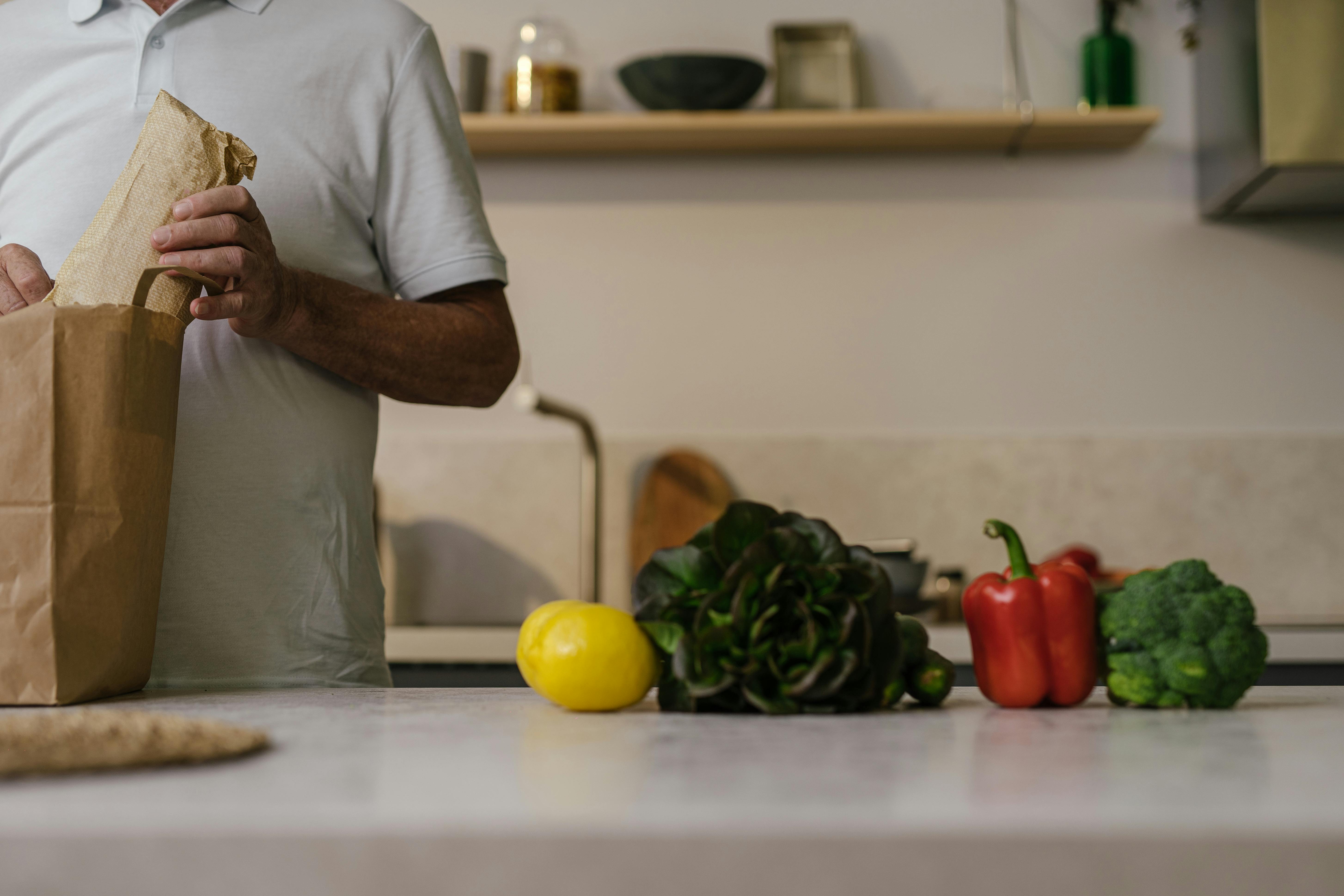
If you walked out of the supermarket yesterday feeling like you just paid a mortgage payment for a single bag of food, honey, you are not alone.
It breaks my old heart to see how expensive life has gotten lately. But don't you worry, sweetheart; Grandma has got you covered. Back in my day, we had to make every single penny stretch until it cried, and today I’m going to teach you exactly how to save money on groceries every week without feeling like you're depriving your family of delicious, comforting meals. Grab yourself a warm cup of tea, sit down with me at the kitchen table, and let’s talk about some old-fashioned kitchen wisdom that still works like a charm today.
1. Shop Your Own Pantry Before You Leave the House
The biggest mistake I see folks making today is writing a grocery list based on what they *want* to cook, rather than what they *need* to use up. Before you even think about grabbing your car keys, I want you to open your pantry, your fridge, and your freezer.
Do you have half a box of pasta, a can of crushed tomatoes, and some leftover ground beef from Tuesday? Well, dear, that’s not a random assortment of food—that is Friday night's dinner waiting to happen. By building your weekly meals around the ingredients you already own, you’ll stop buying duplicates of things you forgot you had hidden in the back of the cupboards.
2. The Magic of a Whole Roast Chicken
When you walk past the meat counter, those boneless, skinless chicken breasts look mighty convenient, don't they? But they cost a pretty penny because someone else did the work of cutting them up. Instead, I want you to buy a whole chicken.
Buying the whole bird is one of the oldest budget secrets in the book. Here is how I stretch one single chicken to feed a family for three separate nights:
- Night 1: Roast the chicken with some potatoes, carrots, and onions. A beautiful, comforting Sunday dinner.
- Night 2: Shred the leftover meat off the bones and use it for chicken quesadillas, a lovely pot pie, or a cold chicken salad for lunches.
- Night 3: Toss the bones, skin, and veggie scraps into a big pot of water and simmer it all day. Strain it, and you have a rich, golden bone broth that makes the absolute best chicken noodle soup you've ever tasted.
3. Meet the "Stretchers" (How to Double Your Meat)
Meat is usually the most expensive part of the grocery bill. Now, I’m not saying you have to become a vegetarian if you don't want to, but you can easily double the size of your meat dishes by using what I call "stretchers." These are cheap, nutritious ingredients that absorb the flavor of whatever you are cooking.
For example, when I make a meatloaf or a batch of chili, I always add a cup of cooked brown lentils or rolled oats to the mixture. My kids never knew the difference, and it made one pound of ground beef feed six people instead of three.
| Cheap Staple | Why It's a Lifesaver | Grandma's Favorite Way to Use It |
|---|---|---|
| Dried Lentils | Costs pennies, packed with iron and fiber | Mixed into taco meat or shepherd's pie |
| Rolled Oats | Keeps you full, incredibly cheap | Meatloaf filler or homemade morning porridge |
| Canned Chickpeas | High protein, stays fresh for years | Roasted with spices for snacks or tossed in curries |
| Whole Block Cheese | Way cheaper than pre-shredded | Grated fresh for homemade mac and cheese |
4. Stop Paying for Someone Else to Cut Your Food
Convenience is a luxury, honey, and the grocery stores charge you dearly for it. When you buy pre-washed lettuce, chopped onions, cubed butternut squash, or sliced mushrooms, you are paying triple the price for a few minutes of saved time.
Get yourself a good, sharp chef's knife and spend thirty minutes on Sunday afternoon chopping your own vegetables. Put on some nice music or a good podcast, and enjoy the process. It's good for the soul, and even better for your wallet.
5. Master the Art of the "Fridge Clean-Out" Meal
Did you know that the average family throws away hundreds of dollars of spoiled food every single year? It breaks my heart to think of all that waste. To prevent this, designate one night a week as "fridge clean-out night."
My favorite way to do this is by making a big frittata or a crustless quiche. Whisk up half a dozen eggs, pour them into a hot skillet, and throw in whatever wilted spinach, limp bell peppers, half-empty cheese packets, or leftover ham you have in the drawer. Bake it until it’s fluffy and golden. If you want to read more tips on how to save money on groceries every week, you'll find that organizing your fridge to prevent waste is one of the most powerful things you can do.
6. Plan Your Meals Around the Sales, Not Your Cravings
If you decide you want to make beef stroganoff on Tuesday, but beef isn't on sale, you're going to pay top dollar. Instead, look at the store flyer before you make your weekly plan. If pork chops and broccoli are on sale, guess what? You're having pork chops and broccoli this week!
If you're new to this kind of planning, BBC Good Food's meal planning guide has some wonderful templates and ideas to get you started with structured weekly eating.
7. Keep a "Scrap Bag" in Your Freezer
This is a trick my mother taught me during the hard times. Keep a gallon-sized freezer bag in your freezer. Every time you peel a carrot, chop the ends off an onion, or have leftover celery tops, don't throw them in the trash. Toss them into that bag.
When the bag is full, dump it into a big pot with water, some salt, and a bay leaf. Simmer it for an hour, strain it, and you have a beautiful, rich vegetable broth for absolutely free. Saving scraps is just one tiny habit, but when you combine it with more tips on how to save money on groceries every week, the savings start compounding beautifully.
Frequently Asked Questions
Is it really cheaper to buy dried beans instead of canned?
Oh, absolutely, sweetheart. While canned beans are already quite cheap, buying them dried in bulk is incredibly inexpensive. A single bag of dried black beans costs about the same as one can, but it will yield the equivalent of four or five cans once cooked. Just soak them overnight before cooking!
How do I stop throwing away fresh berries so quickly?
Berries are notorious for molding within days. As soon as you get them home, wash them in a bowl of water with a splash of white vinegar. The vinegar kills the mold spores. Dry them thoroughly on a paper towel, then store them in a glass jar in the fridge. They will last twice as long!
Is it worth driving to three different stores to get the best deals?
Usually, no. If you spend an hour driving all over town to save two dollars on butter and one dollar on eggs, you are burning up all your savings in gas and precious time. Pick one good budget store that has consistently low prices, and stick to it.
How can I save money if I don't have time to cook from scratch?
Start small, dear. You don't have to make your own bread and churn your own butter. Just changing one thing—like buying whole carrots instead of baby carrots, or making a big batch of rice instead of buying microwave pouches—will make a big difference without taking up your whole evening.


Comentários
Postar um comentário