Stop Wasting Food: How to Keep Food Fresh Longer in the Fridge
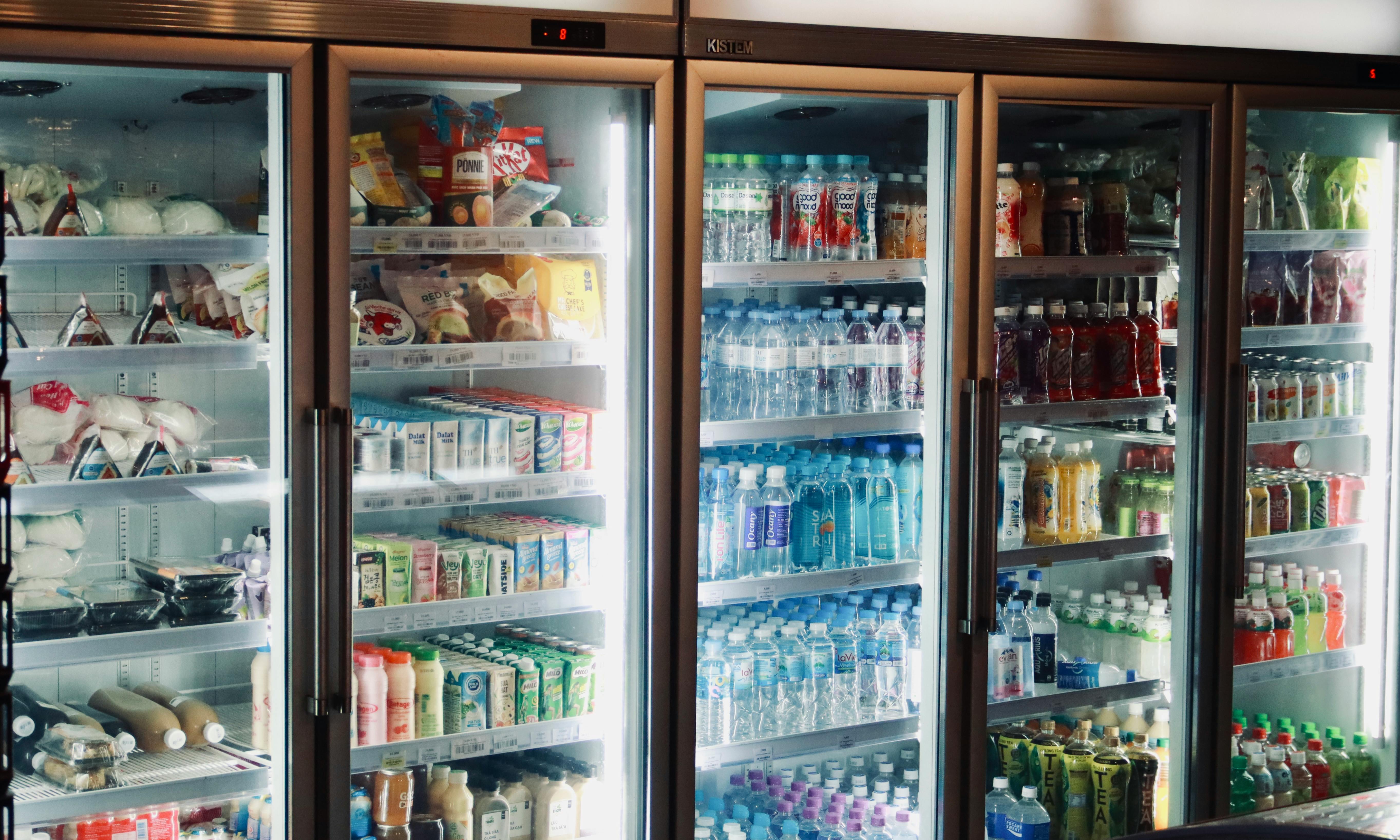
It breaks my heart every single time I have to throw away a head of lettuce that turned to brown slime, or a punnet of beautiful strawberries covered in white fuzz. Food is expensive these days, sweetheart, and wasting it is just like throwing your hard-earned dollars straight into the trash bin. Today, I want to share my favorite, time-tested family secrets on how to keep food fresh longer in the fridge so you can enjoy delicious, crisp meals and keep your grocery budget right where it belongs—in your wallet.
Back when I was raising my own babies, we didn't have fancy smart refrigerators with special zones and touch screens. We had to rely on a bit of science, a lot of common sense, and some simple tricks passed down from my own mother. Luckily, these old-fashioned habits still work wonders today. Let me show you how a few simple changes in your kitchen routine can make your fresh produce and leftovers last twice as long.
Grandma’s Go-To Supplies for Food Preservation
You don't need to buy expensive, high-tech containers to keep your food fresh, honey. Most of the things you need are already sitting in your kitchen cabinets. Here is a little list of what I keep on hand to make my groceries last:
| What You Need | Why Grandma Loves It |
|---|---|
| Paper Towels | They soak up excess moisture, which is the absolute enemy of fresh greens. |
| Glass Mason Jars | Glass seals tightly and keeps celery, carrots, and herbs incredibly crisp. |
| White Vinegar | A gentle wash in vinegar water kills sneaky mold spores on fresh berries. |
| Aluminum Foil | Wrapping certain veggies in foil keeps them from drying out and releasing gas. |
| Baking Soda | An open box absorbs strong odors so your milk doesn't taste like last night's onions. |
7 Simple Tricks to Make Your Food Last Weeks
1. Give Your Berries a Vinegar Bath
Berries are such a treat, but they seem to spoil if you even look at them wrong! The moment you bring home strawberries, blueberries, or raspberries, give them a quick soak in a bowl with three cups of cold water and one cup of white vinegar. Let them sit for about five minutes. The vinegar kills off any microscopic mold spores hiding on the skins.
Rinse them gently with fresh water, and then—this is the most important part—dry them completely on a clean kitchen towel. Store them in a container lined with a dry paper towel, leaving the lid slightly ajar so moisture can escape. For a wonderful step-by-step guide on this method, check out this helpful guide on The Spruce.
2. Treat Fresh Herbs Like a Bouquet of Flowers
Never leave your parsley, cilantro, or asparagus wrapped in those tight plastic grocery bags, dear. They will suffocate and turn to mush within days. Instead, trim the very bottom of the stems with sharp scissors and stand them upright in a glass jar filled with an inch of cold water, just like you would with fresh roses from the garden. Cover the top loosely with a plastic bag and pop them in the fridge. They will stay bright, green, and beautiful for up to two weeks!
If you love saving money on your grocery bills, I have shared more tips on how to keep food fresh longer in the fridge in some of my other kitchen journals, so be sure to take a peek at those too.
3. Wrap Celery and Broccoli in Aluminum Foil
Did you know that plastic wrap traps a natural gas called ethylene that vegetables release as they age? When celery is trapped in plastic, that gas makes it go limp and rubbery. Toss that plastic wrap in the bin and wrap your celery stalks tightly in aluminum foil instead. The foil allows the gas to escape while still keeping the moisture in. Your celery will stay so crisp it will snap loudly even after three weeks in the crisper drawer!
4. Put a Paper Towel in Your Salad Greens
Whenever you buy a tub of spinach or pre-washed salad greens, open it up and lay a clean sheet of paper towel right on top of the leaves, then close the lid and store the container upside down. The paper towel will catch any condensation that pools at the bottom of the container. If the paper towel gets soggy after a few days, simply pull it out and replace it with a fresh, dry one. This simple little trick prevents that sad, slimy mess at the bottom of the tub.
5. Map Out Your Refrigerator Zones
Your fridge is not the same temperature all the way through, sweetheart. The door is the warmest part because it gets opened and closed all day long. Never store your milk or eggs in the door shelves! Keep your milk, yogurt, and meats on the bottom shelves where it is coldest. Keep your condiments, jams, and sodas in the door, as they can handle the temperature changes much better.
6. Don't Let Apples and Veggies Share a Drawer
Apples are wonderful, but they are gossipy little things—they tell all the other produce around them to ripen up fast! Apples release a lot of ethylene gas, which will cause your cucumbers, broccoli, and carrots to rot before their time. Keep your fruits in one crisper drawer and your vegetables in another. Keeping them separated will save you so much grief.
7. Use the "First In, First Out" Rule
I like to keep a small plastic basket on the middle shelf of my fridge labeled "Eat Me First." Whenever I have leftovers, half-used onions, or berries that are starting to look a little soft, they go right into this basket. It teaches the whole family to look there first for a snack before opening something brand new.
If you want to read more about organizing your kitchen space to prevent food waste, you can find more tips on how to keep food fresh longer in the fridge in my archives. It is a wonderful feeling to open your fridge and see everything neat, clean, and perfectly fresh.
Frequently Asked Questions
Why does my lettuce go bad so quickly?
Lettuce spoils fast because of excess moisture and lack of air circulation. When lettuce is trapped in a plastic bag with condensation, the leaves rot quickly. To prevent this, wash your lettuce, dry it thoroughly in a salad spinner, and store it in a container with a paper towel to absorb moisture.
Should I wash my vegetables before storing them in the fridge?
Generally, it is best not to wash most vegetables until you are ready to use them. The extra moisture from washing encourages mold and bacteria to grow. If you do prefer to wash them beforehand, make sure they are completely dry before putting them away.
Where should I store my onions and potatoes?
Onions and potatoes should actually stay out of the fridge! They keep best in a cool, dark, and dry place like a pantry or a cellar. Just keep them away from each other, because onions release gases that will cause your potatoes to sprout and spoil much faster.
What temperature should my refrigerator be set to?
Your refrigerator should be kept at 37°F (around 3°C) to keep your food perfectly safe and fresh. Anything warmer than 40°F (4°C) allows bacteria to grow too quickly, and anything colder than 32°F (0°C) will freeze your delicate lettuce and herbs.


Comentários
Postar um comentário