7 Grandma Tricks to Save Money on Groceries Every Week
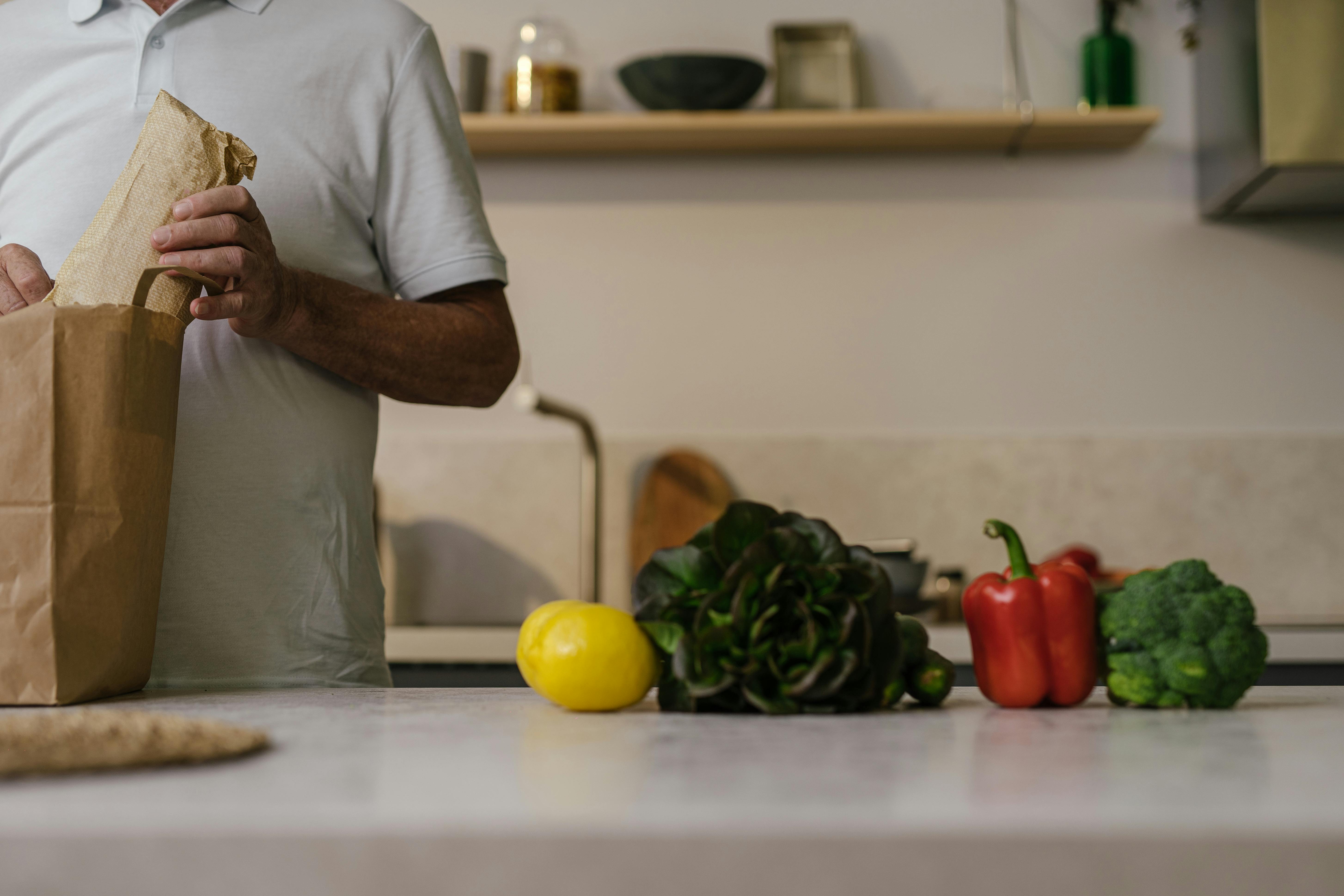
Pull up a chair, honey, because the prices at the grocery store lately are enough to make a grandmother weep.
I know how hard it is to stretch a dollar these days, but you do not have to survive on bland, boring food to keep your bank account happy. Today, I want to share my favorite old-school secrets on how to save money on groceries every week without sacrificing the delicious, comforting meals your family deserves. Back when I was raising my own babies on a shoe-string budget, these exact tricks kept our bellies full and our pockets respectable. Let's get your kitchen running like a well-oiled machine, sweetheart!
1. Shop Your Pantry Before You Shop the Store
Before you even think about grabbing your car keys, I want you to open your pantry, your fridge, and your freezer. Treat it like a treasure hunt. Too many folks write a grocery list based on what they *think* they want to eat, rather than what they already have hiding in the back of the cupboards.
I call this "reverse meal planning." Find that half-used bag of rice, the can of diced tomatoes, and those carrots looking a bit sad in the crisper drawer. Use those as your starting point. You will be amazed at how many meals you can pull together by just buying one or two fresh items to complement what you already own. If you want to dive deeper into this mindset, you can find more tips on how to save money on groceries every week to help you master the art of pantry cooking.
2. Learn the Magic of "Stretch Cooking"
In my mother's kitchen, we never let a single scrap go to waste. If we had a roast chicken on Sunday, we didn't just eat chicken dinners. We stretched that bird into three or four different meals. This is the ultimate secret to keeping your food budget low.
Here is how a single whole chicken can feed a family for days:
- Day 1: Roast the chicken with carrots, potatoes, and onions.
- Day 2: Shred the leftover breast meat for chicken tacos or a cozy pot pie.
- Day 3: Pick the remaining meat off the bones to toss into a quick fried rice or pasta bake.
- Day 4: Toss the bones into a big pot with water, onion skins, and celery tops to make a rich, golden bone broth. Add some noodles and leftover veggies for a comforting soup.
3. Stop Paying for Someone Else to Cut Your Food
Sweetheart, the grocery stores are clever. They know you are busy, so they charge you double—sometimes triple—for convenience. They chop the onions, slice the mushrooms, and cut the chicken breasts into strips, and then they mark up the price.
Put those beautiful hands of yours to work! Buy the whole head of lettuce instead of the bagged salad. Buy the block of cheddar and grate it yourself (it melts much better anyway because it doesn't have that chalky anti-clumping powder on it). A bag of whole carrots costs pennies compared to those little plastic bags of "baby" carrots. It only takes a few minutes of chopping, and those minutes will save you real green bills at the checkout lane.
Grandma's Budget-Friendly Staple List
Keep these highly versatile, inexpensive ingredients in your kitchen at all times. They are the backbone of budget cooking.
| Ingredient | Why Grandma Loves It | Meal Ideas |
|---|---|---|
| Dry Beans & Lentils | Dirt cheap, packed with protein, and shelf-stable for years. | Soups, stews, bean burritos, homemade hummus. |
| Rolled Oats | Costs almost nothing and keeps you full for hours. | Oatmeal, homemade granola, filler for meatloaf. |
| Whole Potatoes | A filling comfort food that lasts for weeks in a cool dark place. | Baked potatoes, home fries, potato soup, shepherd's pie. |
| Canned Tomatoes | Cheaper than fresh tomatoes off-season and full of flavor. | Pasta sauce, chili, curry bases, tomato soup. |
| Eggs | The quickest, cheapest high-quality protein you can buy. | Frittatas, breakfast for dinner, egg salad sandiches. |
4. Treat Your Herbs and Veggies Like Fresh Flowers
One of the biggest money drains is food waste. We buy beautiful fresh produce with the best of intentions, only to find it turned into green slime in the crisper drawer a week later. That is literally throwing your hard-earned money in the trash!
To keep cilantro, parsley, and asparagus fresh for weeks, trim the bottoms of the stems and stand them upright in a jar with an inch of water, just like a bouquet of roses. Pop a loose plastic bag over the top and keep them in the fridge. For green onions, you can leave them in a jar of water on your sunny windowsill. They will actually keep growing, giving you free green onions for weeks! If you want to learn more about reducing waste, BBC Good Food has a wonderful guide on reducing food waste in your daily life.
5. Embrace "Meatless Monday" (and maybe Thursday, too!)
Meat is consistently the most expensive item on any grocery receipt. You don't have to become a vegetarian, honey, but cutting out meat just one or two nights a week will put a massive dent in your grocery bill.
Lentils, black beans, chickpeas, and eggs are incredibly cheap protein sources. A big pot of black bean chili with cornbread, or a hearty red lentil dahl with rice, is just as satisfying as a beef stew, and it costs a fraction of the price. My grandad used to love my Sunday night potato frittata, which was nothing more than eggs, thinly sliced potatoes, onions, and whatever leftover cheese I could scrape up. It felt like a luxury meal, but it cost us less than three dollars to feed the whole family.
6. Don't Let "Best By" Dates Scared You
There is a big difference between a "Use By" date and a "Best Before" date. Many folks throw away perfectly good, safe food because they think the date on the box is an expiration date. In most cases, it is simply the manufacturer's best guess at when the food is at its peak quality.
Trust your senses! Your nose and your eyes are the best tools you have. If the milk smells sweet, it is good to drink. If the yogurt doesn't have mold and tastes fine, eat it. Canned goods and dry pasta can last years past those printed dates if they are stored in a cool, dry place. Don't let those little stamped numbers trick you into throwing away good food and spending more money replacing it.
7. Shop the Sales and Stock Your Freezer
When your local store has a genuine sale on items you use constantly—like butter, pasta, canned beans, or frozen vegetables—that is the time to buy a few extras. Don't buy things you've never tried just because they are on sale, but do stock up on your family staples.
Did you know you can freeze butter? You certainly can! You can also freeze blocks of cheese (it gets a little crumbly when thawed, but it is perfect for melting on pizzas or casseroles), and even milk (just pour a little out of the jug first so it has room to expand). When you build a small stockpile of sale items, you can create meals from your freezer and pantry on those weeks when money is exceptionally tight. For more ideas on how to build a smart pantry, check out our guide on more tips on how to save money on groceries every week.
Saving money doesn't mean you have to live a life of deprivation, my darlings. It is about being mindful, respecting the food you bring into your home, and using a little bit of old-fashioned creativity. Give these tricks a try this week and watch those grocery receipts shrink!
Frequently Asked Questions
Is it really cheaper to buy dry beans instead of canned beans?
Yes, sweetheart, absolutely! While canned beans are already quite cheap, buying dry beans in bulk is incredibly economical. A single bag of dry beans yields about three to four times the amount of cooked beans as a single can for roughly the same price. Plus, they taste much better when you simmer them yourself with a bay leaf and a pinch of garlic.
How can I save money on fresh fruit and vegetables?
The golden rule here is to buy what is in season. When berries are in season during the summer, they are cheap and delicious. In the winter, stick to apples, oranges, and root vegetables like carrots and sweet potatoes. If you need out-of-season fruit for baking or smoothies, head straight to the freezer aisle—frozen fruit is picked at peak ripeness and is often much cheaper than fresh imports.
Should I use coupons to save money on groceries?
Coupons can be helpful, but only if they are for items you were already planning to buy. Too often, coupons tempt you to buy expensive name-brand processed foods that you don't really need. Often, the store brand or generic version of an item is still cheaper than the name-brand version even with a coupon. Use them wisely, honey, and don't let them trick you into spending more.
Is shopping at multiple grocery stores worth the extra trip?
Generally, I say no. Driving all over town to save fifty cents on butter and a dollar on eggs usually burns more money in gas and wastes your precious time. Instead, find one or two budget-friendly stores in your area and get to know their sales cycles. Your time and energy have value too, dear!


Comentários
Postar um comentário