7 Surprising Uses of Lemon Around the House to Save You Money
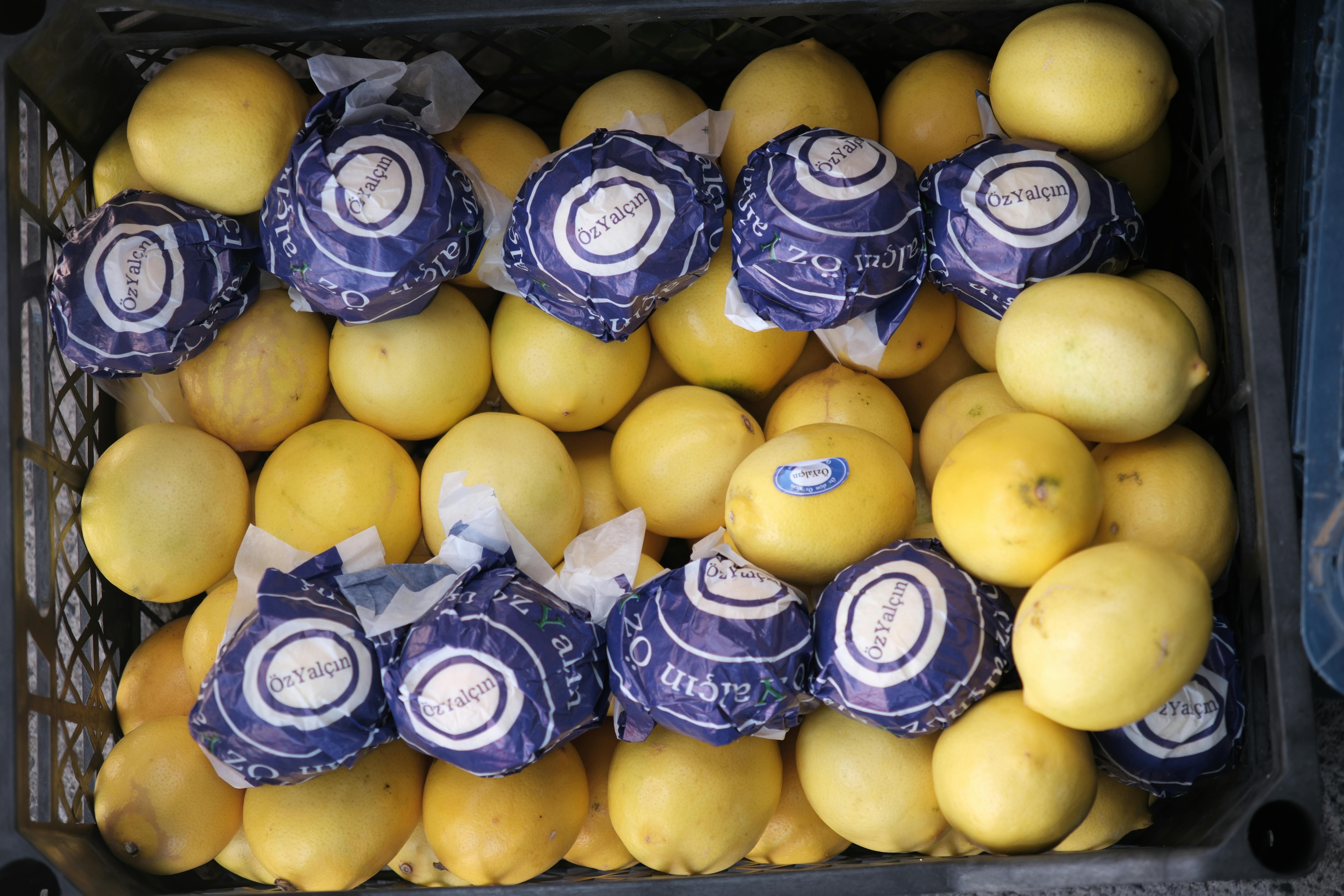
Put down that expensive, harsh chemical spray, sweetheart, because that little yellow fruit sitting in your fruit bowl is about to become your absolute best friend.
Oh, my dear, if you only knew how many times a simple lemon saved my sanity when I was raising your parents on a tight budget! Back then, we couldn’t just run to the supermarket to buy a different plastic bottle for every single cleaning chore. We had to rely on what Mother Nature gave us, and let me tell you, she was incredibly generous with the humble lemon. Today, I want to share some of my favorite, time-tested secrets with you. We are going to explore some truly surprising uses of lemon around the house that will keep your home smelling like a sunny spring morning while saving you a pretty penny.
Before we dive into my treasure chest of grandmotherly secrets, let’s gather our simple tools. You don't need much, honey. Just a few basic ingredients you probably already have in your pantry.
Your Natural Cleaning Toolkit
To get the best results from these old-fashioned tricks, here is a quick guide to the supplies you should keep on hand:
| Ingredient / Tool | Why Grandma Loves It |
|---|---|
| Fresh Lemons | High citric acid content cuts through grease and sanitizes. |
| Coarse Sea Salt | Acts as a gentle, non-scratch abrasive when paired with acid. |
| Baking Soda | Creates a wonderful fizzing reaction with lemon juice to lift stains. |
| Microfiber Cloths | Perfect for wiping away the loosened grime without scratching. |
Now that your basket is ready, let's roll up our sleeves and get started on these wonderful hacks!
1. The Steam-Clean Microwave Miracle
We have all been there, sweetheart. Someone warms up a bowl of chili without a cover, and suddenly the inside of your microwave looks like a disaster zone. Don't scrub yourself to exhaustion! Instead, take a microwave-safe bowl, fill it halfway with plain tap water, and squeeze the juice of one whole lemon into it. Drop the remaining lemon halves right into the water.
Pop the bowl into the microwave and run it on high for about five minutes. You want to get it nice and boiling so the steam coats the entire interior. Once the timer dings, don't open the door just yet! Leave it closed for another ten minutes to let that wonderful lemon steam loosen up all those baked-on splatters. When you finally open it, you can effortlessly wipe the grime away with a soft cloth. It’s like magic, and it leaves your kitchen smelling beautifully fresh.
2. Banish Hard Water Stains from Faucets
If you live in an area with hard water, you know those stubborn, chalky white spots on your chrome faucets can be a real headache. Those are mineral deposits, dear, and they laugh at regular soap. But they meet their match with citric acid!
Cut a fresh lemon in half. Take one half and rub it directly over your faucets, making sure to coat all the spots where the water pools. If you have really stubborn buildup around the base of the tap, you can squeeze some juice onto a paper towel and wrap it around the metal like a little bandage. Let it sit for about ten to fifteen minutes. Rinse it with warm water and buff it dry with a clean cloth. Your fixtures will shine so bright you’ll be able to see your beautiful smile in them!
3. Bring Your Dingy Whites Back to Life
It breaks my heart to see people using harsh chlorine bleach on their delicate linens and white cottons. Bleach can actually turn white fabrics a nasty shade of yellow over time and wear down the fibers. My mother taught me a much gentler way using the power of the sun and lemon juice.
Add half a cup of strained lemon juice to your washing machine's rinse cycle when you are washing your whites. Once the cycle is finished, hang your clothes or bedsheets outside on the line to dry in the direct sunlight. The UV rays from the sun work together with the citric acid to naturally bleach and brighten the fabric. If you want to dive deeper into eco-friendly home care, I have shared more tips on surprising uses of lemon around the house to help you transition to a chemical-free home.
4. Deep Clean and Deodorize Your Cutting Boards
Wooden cutting boards are beautiful, but they can hold onto garlic, onion, and fish smells long after you have washed them with soap. To give your boards a deep, purifying scrub, sprinkle a generous handful of coarse sea salt all over the surface.
Take half a lemon, cut-side down, and use it like a sponge to scrub the salt into the wood. Squeeze gently as you scrub to release the juice. The salt acts as a gentle abrasive to lift food particles out of the tiny knife grooves, while the lemon juice disinfects and neutralizes those stubborn odors. Let the mixture sit on the board for about five minutes, then rinse it thoroughly with clean, warm water and pat it dry. It will look brand new and smell wonderful!
5. Polish Your Copper and Brass Until It Glows
I remember the beautiful copper pots my grandmother kept hanging in her kitchen. She kept them shining with a simple paste made from lemon juice and baking soda (or salt). If your metal pots, pans, or decorative brass pieces are looking a little tarnished, don't go buying expensive chemical polishes.
Mix equal parts lemon juice and baking soda to form a wet paste. Apply it to the tarnished metal with a soft cloth, rubbing gently in circular motions. For very stubborn tarnish on copper, you can read more about safe cleaning techniques on Good Housekeeping. Once you have rubbed the paste over the tarnished areas, rinse it off completely with warm water and dry it immediately with a soft towel to prevent water spots.
6. Keep Pesky Ants and Spiders Away
When the weather warms up, those little crawling critters love to find their way into our cozy kitchens. You don't need to spray nasty poisons around the places where you prepare your family's food. Ants and spiders absolutely hate the strong scent of citrus oils!
Squeeze fresh lemon juice along your window sills, near your doorways, and into any little cracks where you suspect they are getting inside. You can also toss your leftover lemon peels into the back of your cupboards. It keeps the bugs away and makes your pantry smell lovely. If you find these natural pest deterrents helpful, I have plenty of more tips on surprising uses of lemon around the house that can keep your home safe and comfortable without resorting to chemicals.
7. Refresh Your Smelly Garbage Disposal
Sometimes a strange, musty smell starts wafting up from the kitchen sink, and it is usually the garbage disposal holding onto old food grease. This is the simplest fix in the world, honey.
Cut a whole lemon into small quarters. Turn on your cold tap water, turn on the disposal, and drop the lemon pieces down the drain one by one. The rough peel will help clean the greasy blades, while the citric acid kills the odor-causing bacteria and leaves a lovely, clean aroma behind. It is such an easy way to use up lemons that are starting to get a bit too soft for cooking.
Frequently Asked Questions
Can I use bottled lemon juice instead of fresh lemons?
You certainly can, sweetheart! For things like whitening laundry or cleaning the microwave, bottled juice works beautifully. However, for scrubbing cutting boards or polishing copper, you really want the physical lemon half to hold onto, and the fresh peels are what contain the essential oils that deter pests.
Is lemon juice safe to use on granite or marble countertops?
Oh, thank goodness you asked! No, absolutely not, my dear. The acid in lemons is very strong and will etch or dull the beautiful polished surface of natural stones like marble, granite, or slate. Stick to mild soap and warm water for those precious countertops.
Can I save my squeezed lemons for cleaning later?
Yes, indeed! I keep a little container in my freezer where I toss used lemon halves after I have squeezed the juice out for cooking. When I need to clean the garbage disposal or scrub a pot, I just grab one out of the freezer. It’s a wonderful way to practice zero-waste in your kitchen.
Does lemon juice really remove rust stains from clothing?
It works like an absolute charm on light fabrics! Squeeze fresh lemon juice over the rust spot, sprinkle a little salt over it, and let it sit in the warm sun for an hour or two. Keep it moist with a little extra lemon juice if it dries out too quickly, then wash as normal. The rust will vanish!


Comentários
Postar um comentário