How to Save Money on Groceries Every Week: 7 Grandma Secrets
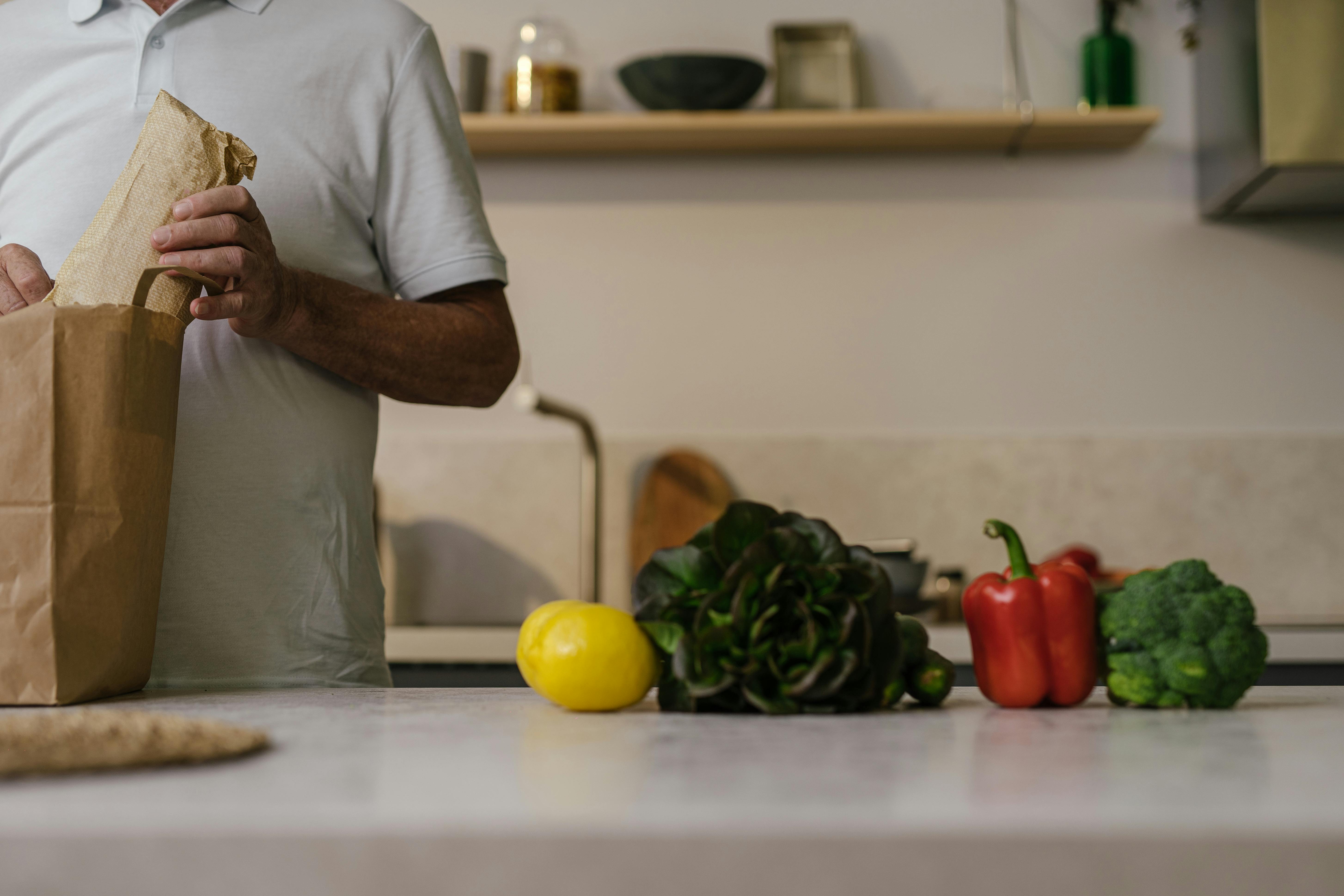
Have you walked out of the supermarket lately feeling like your wallet was flat-out robbed, sweetheart? I know exactly how you feel, and that is why I want to share my time-tested secrets on how to save money on groceries every week without ever feeling like you are depriving your sweet family of a single delicious meal.
Back in my day, we didn't have fancy budgeting apps on our phones. We had a pencil, a piece of scrap paper, and a lot of common sense. Over the decades, raising a family on a tight budget taught me that you do not need to eat beans and rice every single night to keep your bank account happy. You just need to know the little tricks that the big supermarkets hope you never figure out. Pour yourself a warm cup of tea, pull up a chair, and let your old grandma show you how it is done.
1. Shop Your Own Pantry and Fridge First
Before you even think about grabbing your car keys or looking at a store flyer, honey, you need to do some detective work right in your own kitchen. I call this "shopping the pantry." Too many folks run to the store because they do not know what they already have hiding in the back of the cupboards.
Take ten minutes to look through your freezer, your pantry, and that crisper drawer in your fridge. Do you have half a bag of frozen peas? A can of diced tomatoes? Some dry pasta? Build your meals around those ingredients first. If you only need to buy a few fresh items to complete a meal instead of starting from scratch, your register receipt will look a whole lot friendlier.
2. Stretch Your Meat and Make It Go Twice as Far
Meat is usually the most expensive part of any grocery trip. Now, my husband loved his meat and potatoes, but I quickly learned how to make a pound of minced beef feed six hungry mouths with room to spare. The secret is "stretching" your proteins with high-fiber, inexpensive ingredients.
Next time you are making a bolognese, tacos, or a meatloaf, swap out half of the meat for lentils, cooked oats, or finely chopped mushrooms. I promise you, your family won't even notice the difference, and you will instantly cut your meat bill in half. Here is a little guide to some of my favorite pantry stretchers:
| Inexpensive Stretcher | How Grandma Uses It | Why It Saves You Pennies |
|---|---|---|
| Brown Lentils | Mix into minced beef for tacos, shepherd's pie, or chili. | They absorb the beef flavor perfectly and cost pennies per serving. |
| Rolled Oats | Mix into meatloaf or meatballs instead of breadcrumbs. | Oats keep the meat incredibly juicy while adding healthy fiber. |
| Shredded Cabbage | Stir-fry with a small amount of pork or chicken. | Cabbage bulks up a dish enormously for almost no cost. |
| Black Beans | Mash slightly and mix into taco fillings or burgers. | Adds rich texture, protein, and cuts the required meat in half. |
If you want to read more about keeping your kitchen budget tight, I have gathered more tips on how to save money on groceries every week to help you master the art of frugal living.
3. Stop Paying for Someone Else to Chop Your Food
Oh, those grocery stores are clever, darlin'. They know you are tired after a long day of work, so they tempt you with pre-cut onions, washed and bagged lettuce, and little plastic tubs of diced butternut squash. But let me tell you a secret: you are paying a massive tax for that convenience.
A bag of whole carrots costs next to nothing, while a bag of pre-shredded carrots can cost three times as much per ounce! Keep your knives sharp, buy your veggies whole, and spend twenty minutes on Sunday chopping them yourself. It is a wonderful way to wind down, and the savings will put a beautiful smile on your face at checkout.
4. Master the Art of the "Reverse" Meal Plan
Most folks find a recipe online, write down the ingredients, and head to the store to buy them regardless of the price. That is a recipe for a high grocery bill! Instead, try reverse meal planning.
Look at what is on sale at your local market this week, particularly the fresh produce and proteins. If pork chops and broccoli are on sale, that is what you are eating! Combine the weekly sales with what you already have in your pantry, and then build your menu. For a step-by-step approach to organizing your weekly meals around a budget, check out BBC Good Food's budget meal planning guide, which has some wonderful ideas for beginners.
5. Look Down for the Best Deals
When you are walking down the supermarket aisles, the most expensive name brands are placed right at eye level. The store designers do this on purpose because they know you are in a rush. They call this the "bullseye zone."
Next time you are looking for flour, canned tomatoes, or spices, look all the way down to the bottom shelves. That is where you will find the store brands and the plain packaging that cost a fraction of the price but taste exactly the same. Don't be proud, sweetheart—the store brand is often made in the very same factory as the expensive name brand!
6. Love Your Freezer Like Your Best Friend
Food waste is just like throwing cash straight into the kitchen trash can. If you see your fresh vegetables starting to look a little sad in the crisper drawer, do not let them go to waste. Chop them up, put them on a baking tray to freeze, and then slip them into a freezer bag.
You can do this with almost anything. Soft berries can be frozen for winter oatmeal, leftover tomato paste can be frozen in tablespoon-sized dollops, and even stale bread can be blitzed into breadcrumbs and kept in the freezer. My freezer is always packed with little treasures that save me from having to run to the store for a single ingredient.
7. Go "Meatless" Just One or Two Nights a Week
You do not have to become a vegetarian to save money, but skipping meat for just one or two dinners a week will make a massive difference in your monthly budget. Some of the most comforting, delicious meals of my life have been completely meat-free.
Think about a rich, homemade tomato soup with grilled cheese sandwiches, a comforting baked potato bar with all the toppings, or a big pot of vegetarian chili with homemade cornbread. These meals are incredibly cheap to make, cozy, and perfect for warming up chilly evenings.
If you are looking for even more creative kitchen hacks, don't forget to check out my archive for more tips on how to save money on groceries every week.
Frequently Asked Questions
Is it really cheaper to buy store brands?
Yes, almost always! In most cases, store brands are 20% to 30% cheaper than national name brands. The quality is usually identical because they often use the exact same ingredients and packaging facilities. Try swapping out just three of your usual name brands for store brands on your next trip and watch your total drop.
Should I buy in bulk to save money?
Only if you are absolutely certain your family will eat it before it spoils, honey. Buying a massive bag of potatoes is a great deal, but if half of them rot in your pantry, you have actually lost money. Stick to buying dry goods in bulk, like rice, oats, and dry beans, and buy fresh produce in smaller quantities.
How do I stop buying items I don't need?
Never shop on an empty stomach, sweetheart! If your tummy is rumbling, everything looks delicious, and you will end up with a cart full of snacks. Make a strict list, eat a small snack before you leave the house, and challenge yourself to stick only to the items you wrote down.
Are frozen vegetables as healthy as fresh ones?
They certainly are! Frozen vegetables are picked and frozen at the very peak of their freshness, meaning they keep all of their wonderful nutrients. They are often much cheaper than fresh veggies, they won't spoil in your fridge, and they are already chopped and ready to use.


Comentários
Postar um comentário