Save Your Pipes: Easy Ways to Unclog a Drain Without Chemicals
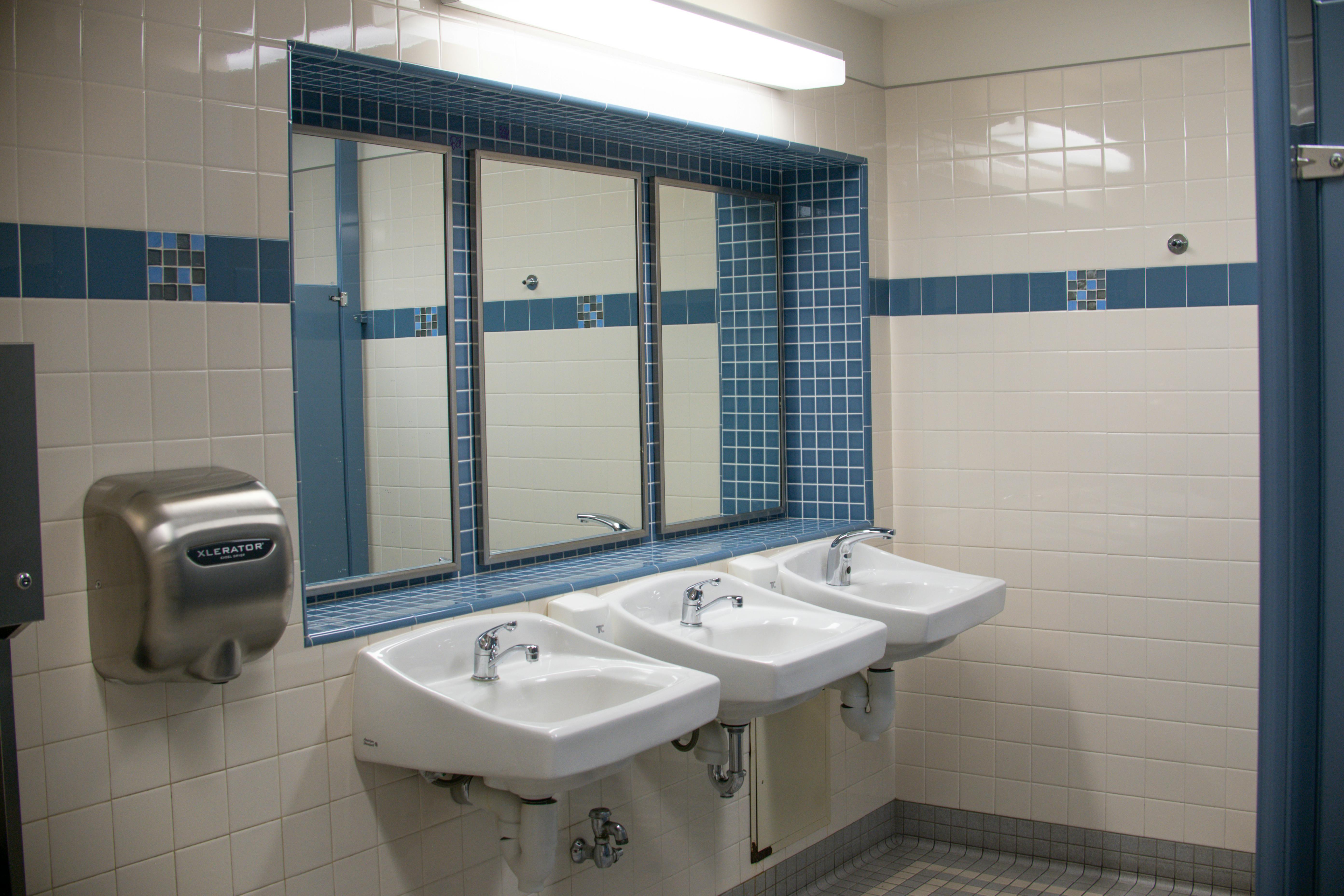
There is nothing worse than standing in a pool of cold, dirty water while you are trying to take a relaxing shower, is there, dear? When your sink or tub starts backing up, your first instinct might be to run to the grocery store and grab one of those heavy-duty, smelly chemical drain cleaners. But stop right there, sweetheart! Those harsh store-bought bottles are packed with toxic acids that can actually eat away at your plumbing, ruin your pipes, and release nasty fumes into your beautiful home. Today, I want to share my favorite tried-and-true, easy ways to unclog a drain without chemicals that I have used for over fifty years to keep my own home running smoothly and safely.
You see, back when your grandfather and I bought our first little house, the plumbing was as delicate as lace. Our local plumber, a lovely man named Arthur, sat me down over a cup of chamomile tea and told me to never, ever pour commercial drain cleaners down my sinks. He taught me that the best solutions are already sitting right inside my kitchen pantry. Over the decades, I have perfected these simple tricks, and today, I am passing them down to you. Grab your apron, and let's get those pipes flowing beautifully again!
Why You Should Skip the Store-Bought Chemicals
Before we look inside the pantry, let us talk about why those commercial liquid drain cleaners are not your friends. Yes, they claim to work in minutes, but they do so by creating an intense chemical reaction that generates extreme heat. This heat can soften and warp modern PVC plastic pipes, or weaken the joints in older metal pipes. If you have a septic system, those harsh chemicals will also kill off the good bacteria your system needs to break down waste.
By using gentle, natural methods, you protect your home, save your hard-earned money, and keep your family safe from breathing in toxic fumes. Plus, most of these methods use things you already have in your cupboards!
Your Pantry Toolkit for Clogged Drains
You do not need a fancy toolbox to be your own plumber, honey. Just take a look in your kitchen cabinet. Here is what we will be using for our natural remedies today:
| Pantry Item | What It Does |
|---|---|
| White Vinegar | The acidic helper that breaks down grease and minerals. |
| Baking Soda | The gentle abrasive that fizzes away stubborn grime. |
| Table Salt | Adds extra scrubbing friction to break up hair and grease. |
| Liquid Dish Soap | Lubricates the pipes and cuts through thick grease. |
| Boiling Water | Melts away soap scum and fat build-ups instantly. |
1. The Classic Volcano Trick (Baking Soda & Vinegar)
This is my absolute favorite method because it is so satisfying to watch! It works just like those science fair volcanoes you might have made in school, and it is wonderful for light to moderate clogs in the kitchen or bathroom sink.
First, pour a kettle of boiling water straight down the drain to loosen up any greasy residue. Next, pour half a cup of baking soda down the hole. Use a spoon to push it down as far as you can. Now, pour a cup of white vinegar down right on top of it. It will start to fizz and bubble immediately, sweetheart!
Quickly cover the drain with a plug or a wet rag to force all that beautiful, fizzy pressure down into the clog instead of letting it escape up into the sink. Let it bubble away for about fifteen to twenty minutes. Finally, flush it all down with another kettle of boiling water. You will be amazed at how easily the water glides away!
2. The Dish Soap and Hot Water Flush
Kitchen sinks get clogged for different reasons than bathroom sinks. In the kitchen, the culprit is almost always grease, cooking fats, and soap scum that have cooled down and hardened inside the pipes.
To fix this, squirt a generous half-cup of liquid dish soap (the blue grease-cutting kind works best!) directly down the drain. Let it sit for about ten minutes so it can coat the clog. While you wait, boil a big pot of water on the stove. Pour the boiling water down slowly. The dish soap acts as a lubricant and breaks up the grease, while the hot water melts it away. It is so simple, but it works like magic! For more ideas on keeping your kitchen spotless, check out more tips on easy ways to unclog a drain without chemicals.
3. The Salt and Baking Soda Scrub
If you have a tougher clog that is being stubborn, you need a little extra scrubbing power. That is where table salt comes in handy! Salt is abrasive, and when you combine it with baking soda, it creates a powerful scouring mixture.
Mix half a cup of table salt with half a cup of baking soda in a small bowl. Pour this dry mixture down your clogged drain. Let it sit in the pipes for at least four to five hours, or even better, leave it overnight while you sleep. The dry mixture will eat away at the clog. In the morning, boil a large kettle of water and pour it down. The rush of hot water will sweep the loosened debris right out into the main sewer line.
4. The Old Wire Coat Hanger Rescue
Now, if your bathroom sink or shower is draining slowly, the culprit is almost certainly hair. None of us like to think about it, dear, but hair gets tangled up with soap scum and forms a nasty nest just below the drain stopper. Baking soda won't dissolve a big clump of hair, so we have to get a little hands-on.
Take an old wire coat hanger from your closet and straighten it out with some pliers, leaving a small hook at one end. Carefully slide the hook end down the drain. Gently twist it around and pull it back up. You will likely fish out a big clump of hair. I know it is a bit messy, sweetheart, so keep a paper towel nearby to toss the gunk straight into the trash! Once the drain is clear, flush it with some hot water. If you want to dive deeper into handy household repairs, you can read about manual drain clearing tools on The Spruce, which is a wonderful resource for home care.
5. The Wet and Dry Vacuum Method
If you have a wet and dry shop vacuum in your garage, you have a powerful drain-unclogging tool right at your fingertips! This is excellent for deep clogs that plungers just can't budge.
First, set your vacuum to its liquid setting and remove the paper filter so it does not get ruined. Place the hose end over the drain. You want to make a tight seal, so you can use an old rubber plunger head or a wet rag wrapped around the hose to seal any gaps. Turn the vacuum on high and let it pull. It can suck the clog right up the pipe and into the vacuum canister. It is incredibly effective for toys or small objects that might have slipped down the drain by accident!
Grandma’s Golden Rules for Preventative Care
The easiest way to deal with a clogged drain is to prevent it from happening in the first place! Here are a few little habits I practice every day in my own home to keep my pipes happy:
- Use Drain Strainers: Place a cheap mesh strainer over every single drain in your house to catch hair, food scraps, and soap chunks before they enter your pipes.
- Never Pour Grease Down the Sink: Pour hot cooking grease into an old tin can or glass jar instead. Let it cool and harden, then throw it in the trash.
- The Weekly Hot Water Flush: Every Saturday morning, I boil a big kettle of water and pour it down my kitchen sink just to melt away any weekly grease build-up. It takes two minutes and saves so much trouble!
If you love keeping your home clean and cozy without spending a fortune, you can find more tips on easy ways to unclog a drain without chemicals right here on my blog. I love sharing these old-school secrets with you!
Frequently Asked Questions
Can I use boiling water if I have PVC plastic pipes?
You must be careful here, honey! While boiling water is wonderful for metal pipes, extremely hot boiling water can soften or warp thin PVC plastic pipes. If you have plastic pipes under your sink, use very hot tap water instead of boiling water from the stove to keep things safe.
How long should I leave baking soda and vinegar in the drain?
Let the mixture fizz and work its magic for about fifteen to twenty minutes. This gives the chemical reaction enough time to break down the grease and grime. If the clog is extra stubborn, you can repeat the process a second time.
Will vinegar damage my septic system?
Not at all, dear! Natural ingredients like white vinegar, baking soda, and salt are completely safe for your septic tank. Unlike chemical cleaners, they will not harm the beneficial bacteria that keep your septic system working properly.
Why is my sink still draining slowly after using baking soda?
If the natural remedies do not work, you likely have a physical obstruction like a thick clump of hair, a small toy, or tree roots growing into your outdoor pipes. In these cases, you will need to use a manual plumbing snake or call a friendly professional plumber to take a look.


Comentários
Postar um comentário