Stop Buying Spray! How to Make a Powerful All-Purpose Cleaner at Home
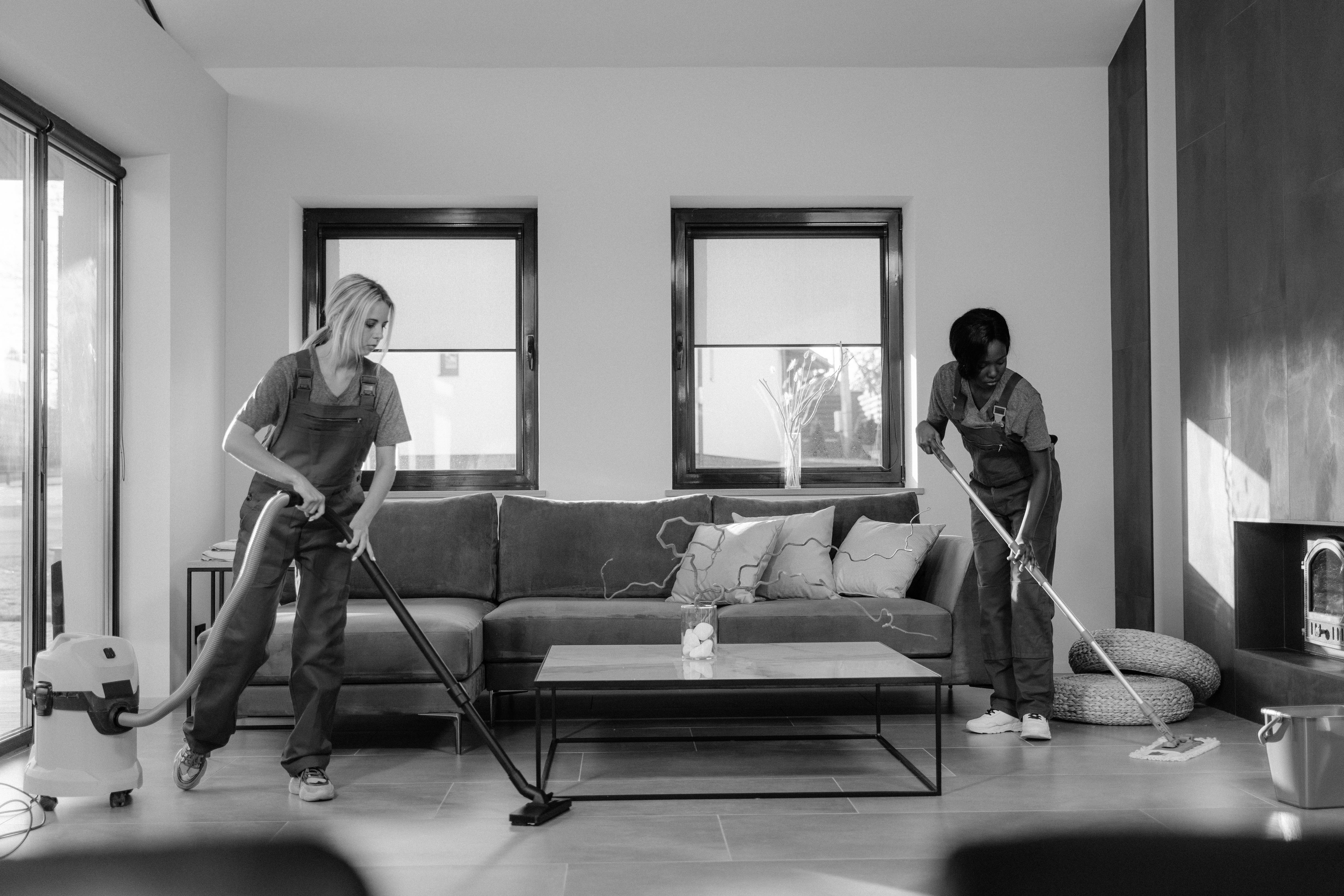
If you are still spending your hard-earned money on store-bought chemical sprays that make you cough, we need to have a little kitchen-table chat right now. Today, my dear, I want to teach you exactly how to make a powerful all-purpose cleaner at home using simple, inexpensive ingredients you probably already have in your pantry. Not only will this save your budget from those skyrocketing supermarket prices, but it will also keep your home smelling like a fresh spring breeze without any of those harsh, synthetic toxins.
For over forty years, I raised my babies and kept my home spotless without ever relying on fancy commercial cleaners. Back in my day, we relied on science, common sense, and a few staple ingredients that do the job twice as well for a fraction of the penny. Let me show you how to mix up my absolute favorite "miracle in a bottle" recipe.
Why Stop Buying Commercial Cleaners?
Have you ever looked at the back of a commercial spray bottle, sweetheart? The ingredient lists are full of words that are impossible to pronounce, and they warn you to use them in "well-ventilated areas." That always worried me. If a cleaner isn't safe to breathe in, why on earth would we want to spray it all over the counters where our families eat?
Making your own spray is incredibly satisfying. It takes less than two minutes, costs about fifty cents a batch, and cuts through grease, grime, and soap scum like a dream. Plus, you get to customize the scent using pure essential oils. Your home will smell like real lavender or fresh lemons, not a chemical imitation of them.
What You Will Need
To make my favorite daily spray, you only need a few basic ingredients. I keep these stocked in my pantry at all times, and I suggest you do the same!
| Ingredient | Amount | Why It Works |
|---|---|---|
| Distilled White Vinegar | 1 cup | Cuts through grease, removes mineral deposits, and deodorizes naturally. |
| Distilled Water | 1 cup | Dilutes the acid of the vinegar so it is safe for daily use on various surfaces. |
| Liquid Dish Soap (or Castile Soap) | 1 teaspoon | Acts as a surfactant to lift away dirt and sticky messes. |
| Essential Oils (Lemon, Lavender, or Tea Tree) | 15-20 drops | Adds a beautiful natural scent and boasts natural antibacterial properties. |
The Golden Recipe: Step-by-Step
Now, grab a clean, empty spray bottle. I highly recommend using a glass spray bottle if you can, honey. Essential oils can sometimes degrade plastic over time, and glass just looks so lovely sitting on the kitchen counter.
Step 1: Warm Your Water
I like to use distilled water because tap water contains minerals that can leave streaks on your shiny fixtures. Warm the water up just a tiny bit—not boiling, just lukewarm. This helps the dish soap and the essential oils mix together beautifully.
Step 2: Add the Soap and Oils
Pour your warm water into the bottle first, then add the teaspoon of liquid dish soap. Give it a very gentle swirl. Next, drop in your essential oils. My favorite combination is 10 drops of sweet orange oil and 10 drops of eucalyptus. It makes the kitchen smell so uplifting!
Step 3: Pour in the Vinegar
Slowly pour in the white vinegar. You might see a tiny bit of fizzing, but don't worry, that is completely normal. Screw the spray nozzle on tightly and give the bottle a gentle shake to combine everything.
And just like that, you are ready to clean! If you find yourself enjoying this process, I have shared more tips on how to make a powerful all-purpose cleaner at home for specialized areas of the house, like the bathroom or the windows.
Where Can You Use This Magic Spray?
This spray is incredibly versatile, but you do need to know where it shines and where to keep it away. Because vinegar is mildly acidic, it works wonders on stubborn spots, but acid isn't friends with every surface in your home.
- Kitchen Counters: Perfect for laminate, tile, and butcher block. It cuts right through cooking grease.
- The Bathroom: Spray it on sinks, faucets, and the shower door to prevent soap scum buildup.
- Appliances: It wipes away fingerprints from the front of the fridge and microwave beautifully.
- Doorknobs and Light Switches: Spritz a microfiber cloth with the spray and wipe these high-touch areas down to keep the sniffles away.
A quick warning from Grandma: do not use this spray on natural stone surfaces like granite, marble, or quartz. The acid in the vinegar can dull the gorgeous polish over time. For those surfaces, a simple mix of rubbing alcohol, water, and a drop of dish soap is much safer. If you want to dive deeper into surface care, Good Housekeeping has a fantastic guide on what you should and shouldn't clean with vinegar.
Grandma's Secret Citrus Infusion Method
If you don't have essential oils on hand, please don't fret! You can make an incredibly powerful cleaner using leftover citrus peels. Whenever you peel an orange, a grapefruit, or a lemon, save those skins.
Put the peels into a clean mason jar and cover them completely with white vinegar. Put the lid on and leave it in a dark cupboard for two weeks. The vinegar will draw out the natural oils from the citrus skins. When the time is up, strain the liquid through a sieve, mix it half-and-half with water, and you will have the most fragrant, grease-cutting cleaner you've ever used. My mother used to call this "sunshine in a jar."
If you want to try some different scent combinations, I have listed more tips on how to make a powerful all-purpose cleaner at home using herbs like rosemary and thyme over on my recipe archive page.
Frequently Asked Questions
Does vinegar really disinfect surfaces?
While vinegar is a wonderful natural cleaner that removes dirt and cuts through grease, it is not registered as a hospital-grade disinfectant. It will kill many common household germs, but if you are cleaning up after raw chicken, it is best to use hot soapy water followed by a sanitizing agent like rubbing alcohol or hydrogen peroxide.
Why does my homemade cleaner smell so strongly of vinegar?
The vinegar smell can be a bit strong when you first spray it, but here is the magic secret: as soon as the spray dries, the vinegar smell disappears completely! It takes all the bad odors with it, leaving behind only the scent of your essential oils.
Can I use baking soda and vinegar together in the spray bottle?
Oh, sweetheart, please don't do this! I see this mistake on the internet all the time. Baking soda is a base and vinegar is an acid. When you mix them together, they react and neutralize each other, leaving you with nothing but salty water. Use them separately—scrub with baking soda first, then spray with vinegar to rinse!
How long will this homemade cleaner last?
Because this recipe contains water, it is best to make it in small batches that you can use up within a month or two. Distilled water helps prevent any bacterial growth, but keeping the bottle in a cool, dark place out of direct sunlight will ensure it stays fresh and effective until the very last drop.


Comentários
Postar um comentário