Surprising Uses of Lemon Around the House You Need Today
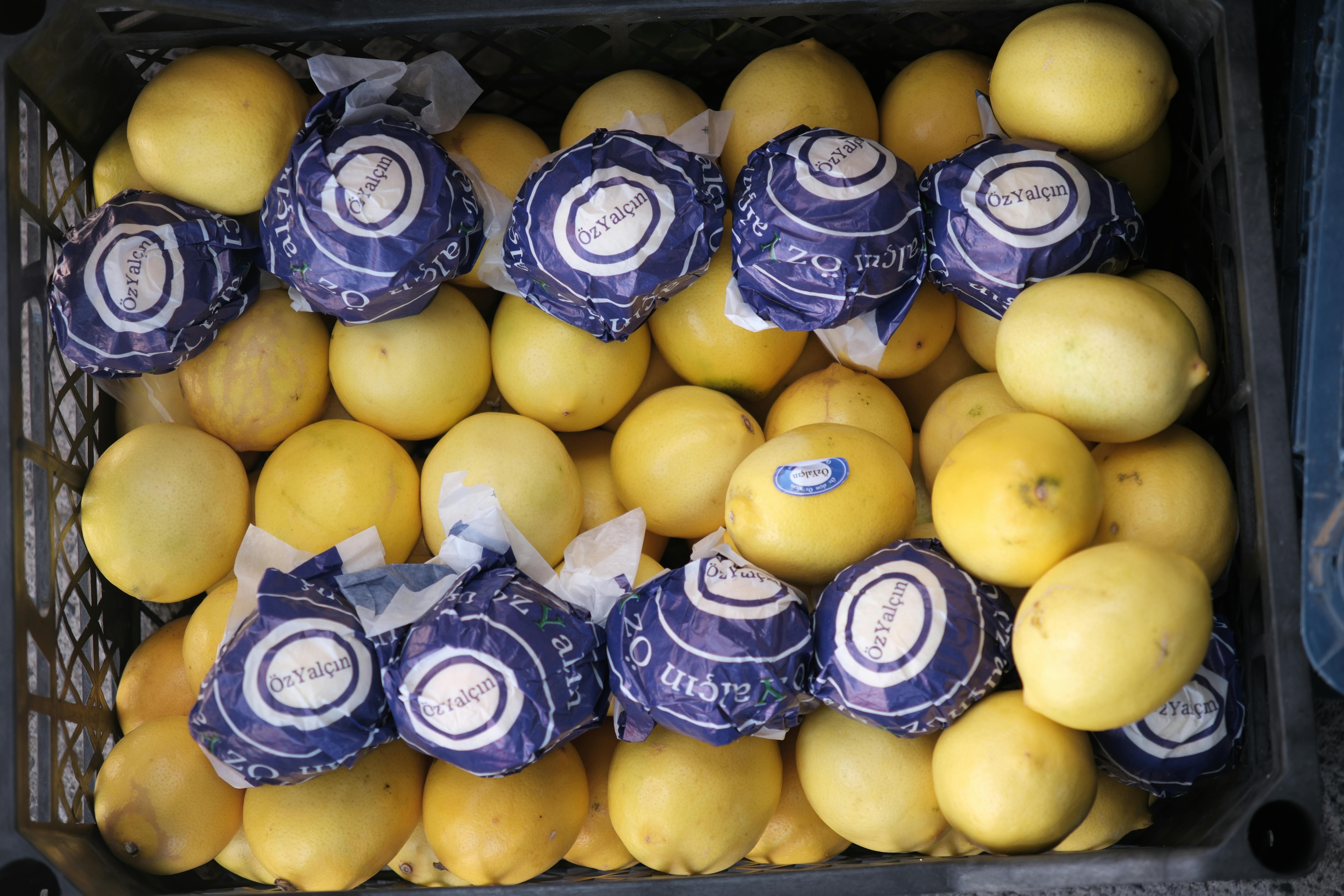
Put down that bottle of expensive, smelly store-bought spray, honey! If you open my refrigerator on any given day, you will always find a bowl overflowing with bright, sunny lemons. My mother taught me decades ago that nature already gave us the best cleaning agent known to humankind, wrapped up in a tidy yellow peel. Today, I want to share my favorite surprising uses of lemon around the house that will save your hard-earned dollars, make your home smell heavenly, and leave your surfaces sparkling without a single harsh chemical.
Before you spend another dime on fancy polish or toxic bleach, take a moment to look at what that little piece of citrus can do for your humble home. You will be amazed at how a simple fruit can tackle the dirtiest jobs in your kitchen, bathroom, and laundry room! If you enjoy learning these old-fashioned tricks, you can find more tips on surprising uses of lemon around the house right here on my little blog whenever you need inspiration.
Why Lemons Are Grandma's Favorite Cleaning Weapon
Now, sweetheart, you might wonder why a humble lemon works better than those shiny spray bottles at the supermarket. It all comes down to natural chemistry! Lemons are packed with citric acid, which breaks down mineral buildup, cuts through thick grease, and dissolves stubborn soap scum with ease. On top of that, fresh lemon juice has natural antibacterial properties, meaning it cleanses while leaving behind a crisp, uplifting fragrance that synthetic perfumes can never quite match.
According to experts at The Spruce, the high acidity in lemons lowers pH levels enough to break down tough stains, rust, and mineral deposits without scratching delicate enamel or glass. It is nature's own gentle abrasive when paired with a pinch of salt or baking soda!
7 Surprising Household Hacks Using Fresh Lemons
1. Steam-Clean Your Dirty Microwave in 5 Minutes
We have all been there, dear—someone forgets to cover their soup, and suddenly the inside of the microwave looks like a battlefield! Don't spend twenty minutes scrubbing on your hands and knees. Instead, try my quick steam trick:
- Fill a microwave-safe bowl halfway with warm tap water.
- Slice a fresh lemon in half and squeeze both halves into the water, dropping the peels right into the bowl.
- Microwave on high for 3 to 5 minutes until the liquid boils and the window fogs up with steam.
- Leave the microwave door closed for another 3 minutes to let the steam soften every bit of dried food.
- Open the door carefully, remove the bowl, and wipe down the interior with a clean microfiber cloth. The grime will slip right off!
2. Banish Stains and Odors from Wooden Cutting Boards
Wooden cutting boards absorb everything from garlic to raw meat juices over time. Soap and water are fine for daily washing, but every few weeks, your boards need a deep restorative scrub to stay hygienic and fresh.
Sprinkle a generous tablespoon of coarse sea salt or kosher salt over the wooden surface. Cut a lemon in half and place the flat cut side directly on the board. Rub the lemon back and forth, pressing gently so the juice mixes with the salt to create a scrubbing paste. Let it sit for 5 minutes, then rinse thoroughly with warm water and let it air dry completely. The salt lifts the discoloration while the lemon juice neutralizes deep-seated odors!
3. Restore Shine to Tarnished Copper, Brass, and Chrome
If your brass candlesticks or copper pots are looking a little sad and dull, don't worry, honey. You don't need fancy metal polishes that leave your hands smelling like petroleum!
Dip half a lemon directly into a small dish of baking soda or fine salt. Gently rub the citrus half over the metal surface in circular motions. Watch as the tarnish vanishes almost instantly! Once the metal is shiny again, rinse with warm water and buff dry immediately with a soft, clean cotton towel to prevent water spots.
4. Dissolve Hard Water Deposits on Faucets
Do you notice those crusty white rings around your bathroom or kitchen faucets? That is hard water scale, and it can be a real pain to remove. Instead of scraping at it with metal tools that scratch your fixtures, let lemon juice do the heavy lifting.
Cut a lemon in half and push the cut center directly onto the spout of your faucet. Wrap a small rag or rubber band around it to hold the lemon in place for about an hour. The natural citric acid will eat away at the calcium and lime deposits. Remove the lemon, scrub gently with an old toothbrush, and rinse. Your faucets will shine like brand new!
5. Brighten Laundry Whites Without Chemical Bleach
Standard household bleach can weaken fabric fibers over time and leave a harsh odor on your bedsheets and towels. If you want your whites bright, fresh, and soft, reach for fresh lemon juice next laundry day.
Add half a cup of strained lemon juice directly to your washing machine's wash cycle alongside your regular laundry detergent. For deeply yellowed cotton socks or dingy pillowcases, fill a large pot with water, add sliced lemons, bring it to a boil, turn off the heat, and soak your items overnight before washing as usual in the morning.
6. Keep Ants and Pests Out of Your Kitchen
When the weather turns warm, sweet little ants always try to find a path into our pantries. Before calling an exterminator, try setting up a natural barrier using citrus juice!
Ants navigate using scent trails. Squeeze fresh lemon juice along window sills, door thresholds, and cracks around your baseboards. The strong citrus fragrance disrupts their scent markers, sending them marching right back outside where they belong. It is safe for children, pets, and your indoor air quality.
7. Freshen Garbage Disposals and Refrigerator Shelves
Sink drains and refrigerators can hold onto unpleasant food odors no matter how often you clean them. Keep your kitchen smelling delightful with leftover lemon scraps!
For your garbage disposal, cut leftover lemon rinds into small chunks, toss them down the drain with a handful of ice cubes, and run cold water while turning on the disposal. The ice sharpens the blades while the citrus rinds scour away greasy buildup. For your fridge, simply cut a lemon in half and set it cut-side-up on a door shelf—it will absorb food smells just as effectively as baking soda!
Grandma's Lemon Cleaning Guide
To help you remember all these handy remedies, I put together a quick reference table for your pantry or fridge door:
| Cleaning Task | Ingredients Needed | Action Step |
|---|---|---|
| Microwave Steam Clean | 1 Lemon, 1 Cup Water | Microwave juice & water for 5 mins; steam soften food; wipe clean. |
| Cutting Board Renewal | 1/2 Lemon, Coarse Salt | Sprinkle salt, scrub with lemon half, rinse thoroughly. |
| Copper & Metal Polish | 1/2 Lemon, Baking Soda | Dip lemon in baking soda, rub metal gently, rinse and dry. |
| Faucet Scale Removal | 1 Whole Lemon | Affix lemon half to faucet for 1 hour, scrub away softened deposits. |
| Laundry Whitening | 1/2 Cup Lemon Juice | Add directly to the wash cycle along with natural laundry detergent. |
Isn't it wonderful how much good work one simple piece of fruit can accomplish? When we slow down and use time-tested traditional methods, our homes stay healthier, cleaner, and much happier. If you loved these practical secrets, make sure to browse more tips on surprising uses of lemon around the house to keep your home running smoothly the natural way.
Frequently Asked Questions
Can lemon juice ruin marble or granite countertops?
Yes, my dear, it certainly can! Acidic liquids like lemon juice, vinegar, and wine can etch natural stone surfaces like marble, limestone, and unsealed granite, leaving dull cloudy marks. Always test on an inconspicuous corner or stick to gentle castile soap and water for stone counters.
Is bottled lemon juice as effective as fresh lemons for cleaning?
Bottled lemon juice works well for basic deodorizing and laundry whitening because it still contains high levels of citric acid. However, for scrubbing tasks—like polishing metals or cleaning cutting boards—fresh lemon halves provide the physical structure and citrus oils needed for the best results.
Will lemon juice bleach colored clothes in the laundry?
If you add lemon juice to a standard wash cycle, it is diluted enough in water that it won't fade your colorful fabrics. However, if you apply pure lemon juice directly to colored clothing and set it out in direct sunlight, it can act as a natural bleaching agent and fade the dye.
How long do lemon cleaning mixtures stay fresh?
Freshly squeezed lemon juice diluted with water should be used within 2 to 3 days if kept at room temperature, or up to two weeks if stored in the refrigerator. Because it contains no artificial preservatives, fresh juice will eventually spoil if left sitting in a spray bottle too long.
Can I use leftover lemon peels for cleaning tasks?
Absolutely, sweetheart! Never throw away your lemon peels. You can place them in a glass jar, cover them with white distilled vinegar, and let them steep for two weeks to create a powerful, heavenly-scented all-purpose citrus cleaning spray.


Comentários
Postar um comentário