Vinegar Cleaning Hacks That Actually Work: Grandma's Secrets
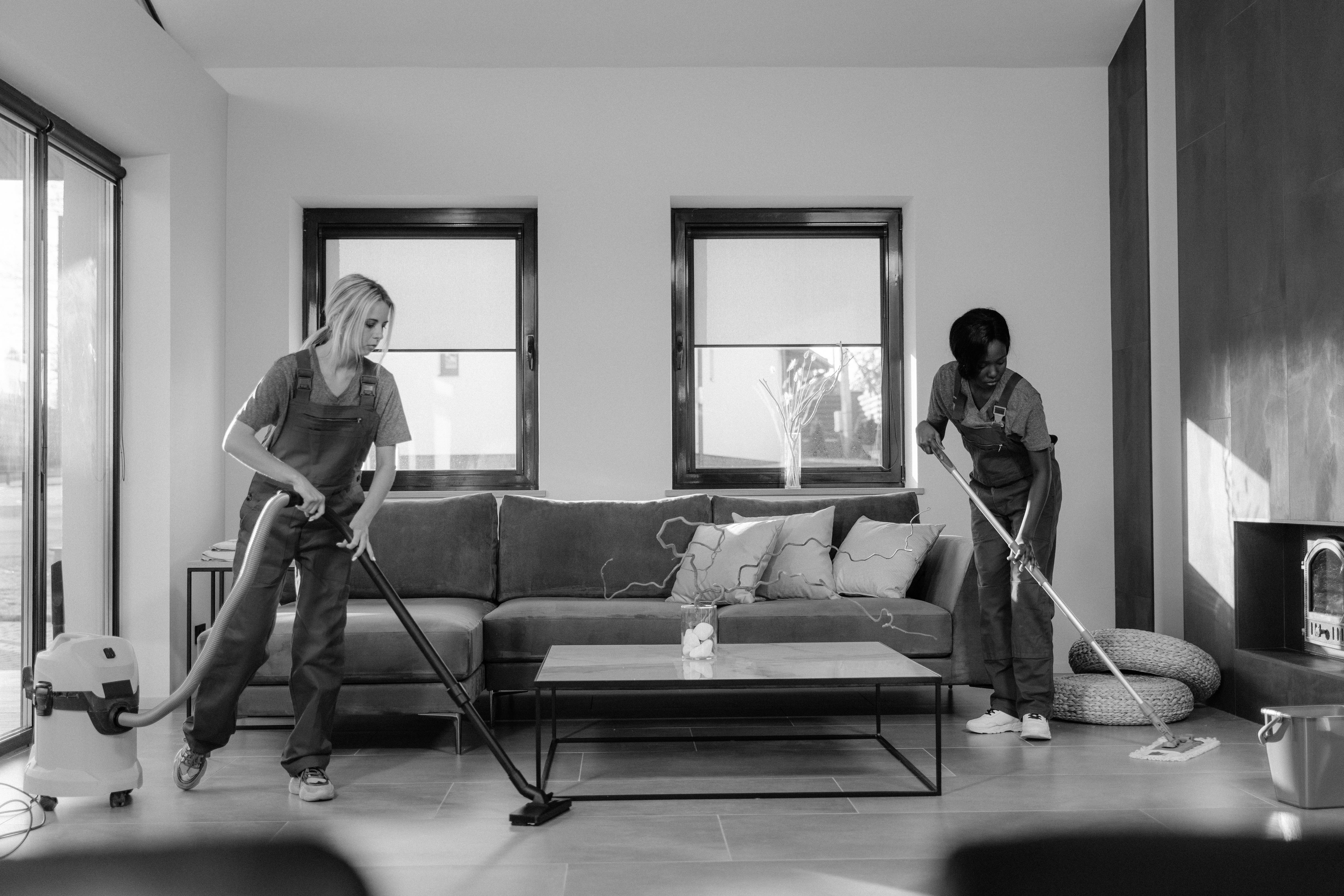
If your utility closet is overflowing with expensive, chemical-filled plastic bottles that promise the world but only leave you with a headache, I want you to take a deep breath and put them down right now, sweetheart.
Oh, the clever marketing tricks these modern companies play on us! They try to convince you that you need a different, brightly colored spray bottle for every single square inch of your lovely home. But your old grandma knows better. Decades ago, before those big-brand chemicals existed, we relied on simple, honest ingredients that did the job beautifully for just pennies. Today, I am going to share my favorite, time-tested vinegar cleaning hacks that actually work without costing you a fortune or exposing your family to harsh fumes.
Plain white vinegar is my absolute secret weapon. It is naturally acidic, which makes it incredibly powerful at breaking down stubborn grease, dissolving mineral buildup, and banishing bad smells. Let's roll up our sleeves and get your home sparkling clean the natural way!
Grandma’s Essential Natural Cleaning Toolkit
Before we begin our little cleaning adventure, let us gather our supplies. You do not need anything fancy. In fact, you probably have almost all of these sitting in your pantry right now.
| Ingredient / Tool | What It Does for You |
|---|---|
| Distilled White Vinegar | The star of the show! It dissolves grease, cuts through grime, and kills odors. |
| Baking Soda | Provides a gentle abrasive scrub and neutralizes acidic smells. |
| Essential Oils | A few drops of lavender, lemon, or eucalyptus to make your home smell heavenly. |
| Glass Spray Bottle | Much better than plastic for storing your homemade vinegar mixtures. |
| Microfiber Cloths | Great for wiping down surfaces without leaving any pesky lint behind. |
| An Old Toothbrush | Perfect for getting into those tricky, hard-to-reach nooks and crannies. |
Now that we have our little toolkit ready, let us dive into the best ways to use these simple ingredients around your home.
1. The No-Scrub Microwave Steam Clean
Cleaning the microwave is a chore that most folks absolutely dread, but my method is so easy it feels like magic. When food splatters and bakes onto the interior walls, scrubbing it off can scratch the surface and wear out your arm.
Instead, grab a microwave-safe bowl and fill it with equal parts water and white vinegar. Drop in a slice of lemon if you have one lying around—it adds a lovely, fresh scent. Pop the bowl in the microwave and run it on high for about five minutes. You want it to boil and fill the microwave with steam.
Once the timer goes off, do not open the door! Let it sit sealed for another five minutes so the steam can work its wonders on those baked-on splatters. When you finally open it, you will find that the grime has completely softened. All you have to do is take a damp cloth and wipe it clean with absolutely zero effort. It is just that simple, dear!
2. Banish Hard Water and Lime Build-up on Faucets
Have you noticed those ugly, crusty white deposits around your sink faucets and showerheads? That is hard water buildup, and trying to scrub it away with soap is like fighting a losing battle. The acetic acid in vinegar is the ultimate solution for this common headache.
If you want to read more about the science of how this works, the cleaning specialists at Good Housekeeping have some wonderful articles detailing why vinegar is such an effective household cleaner.
To clean a showerhead, pour a cup of white vinegar into a plastic bag. Submerge the showerhead in the liquid and secure the bag with a rubber band or a twist-tie. Leave it to soak for a few hours, or even overnight if the buildup is really stubborn. When you remove the bag, run the hot water for a minute to flush out any loosened mineral deposits. For faucets, soak an old rag or paper towels in vinegar and wrap them tightly around the metal fixtures. Let it sit for an hour, wipe down, and watch the metal shine like brand new.
3. Streak-Free Window and Mirror Cleaner
Those blue window sprays you buy at the grocery store often leave a hazy residue behind because of the synthetic waxes and fragrances they contain. My homemade alternative is much cheaper and gives a truly streak-free finish.
Mix equal parts distilled water and white vinegar in your glass spray bottle. I always recommend using distilled water if your tap water is hard, as this prevents any mineral spots from drying on your glass. Spray the mixture lightly onto your mirrors or windows, and wipe it away using a clean microfiber cloth or even a crumpled sheet of old newspaper—an old-school trick that works like a charm! If you are looking for even more tips on vinegar cleaning hacks that actually work, you can find a whole treasure trove of them on my blog.
4. Refresh and Deodorize Smelly Drains
If your kitchen sink is starting to smell a bit funky, do not pour those harsh, toxic drain cleaners down your pipes. They can actually damage older plumbing and are terrible for our beautiful environment.
Instead, pour half a cup of baking soda down the drain, followed immediately by a full cup of white vinegar. It will fizz and bubble up like a little science experiment! This reaction is wonderful for loosening greasy buildup and knocking out nasty odors. Let it bubble for about fifteen minutes, then flush the drain with a kettle full of boiling hot water. Your kitchen will smell sweet and clean in no time.
5. Soften Your Laundry Without Chemicals
Commercial fabric softeners work by coating your clothes and towels in a thin layer of chemical fats. This might make them feel soft initially, but over time, it builds up, makes your towels less absorbent, and can irritate sensitive skin.
To solve this, simply pour half a cup of white vinegar into your washing machine's fabric softener dispenser. I promise your clothes will not smell like salad dressing when they come out! The vinegar completely rinses away, taking soap residue, hard water minerals, and musty odors right along with it. Your towels will come out fluffier and more absorbent than ever before.
A Few Things You Should Never Clean with Vinegar
Now, sweetheart, as much as I love my vinegar, it is a powerful acid, and there are a few surfaces in your home that you must keep it away from. Using vinegar on the wrong materials can cause permanent damage, and we certainly do not want that!
- Granite and Marble Countertops: The acid can etch the natural stone, leaving dull spots that are impossible to polish out.
- Hardwood Floors: While some people use diluted vinegar, straight vinegar can break down the protective finish over time, making your beautiful floors look dull and tired.
- Silicon Caulk and Rubber Seals: Frequent exposure to undiluted vinegar can degrade certain types of rubber seals in your washing machine or dishwasher.
- Stone Floor Tiles: Just like countertops, natural stone floors do not like acidic cleaners. Stick to a pH-neutral soap for these surfaces.
If you ever feel unsure about trying a new cleaning method on an expensive item, it is always best to test it on a little hidden spot first, sweetie. It only takes a minute and saves you from a lot of heartache!
I hope these simple tips bring a bit of ease and joy back into your cleaning routine. For more tips on vinegar cleaning hacks that actually work, feel free to browse through my archive of natural home remedies. Happy cleaning, and remember to take a little time for yourself today with a warm cup of tea!
Frequently Asked Questions
Does vinegar disinfect surfaces as well as bleach?
While vinegar is fantastic at killing some household germs and bacteria due to its high acidity, it is not registered as a hospital-grade disinfectant. It will keep your home beautifully clean and fresh for daily life, but if you are dealing with serious viruses or raw meat juices on your countertops, you should use a dedicated disinfectant to be completely safe.
Can I mix vinegar and bleach together for extra strength?
Mercy, no! Never, ever mix vinegar and bleach under any circumstances, sweetheart. Mixing these two creates a highly toxic chlorine gas that can cause severe breathing problems and damage your lungs. Keep them far apart from each other.
How do I get rid of the strong vinegar smell when cleaning?
The vinegar smell usually dissipates completely within an hour as the surface dries. However, if you dislike the scent, you can infuse your vinegar with citrus peels (like orange or lemon) or add a few drops of your favorite essential oils to the spray bottle to mask the initial aroma.
Is it safe to use vinegar in my dishwasher?
Yes, placing a cup of white vinegar on the top rack of your empty dishwasher and running a hot cycle is a brilliant way to remove hard water film and grease. Just make sure you do not do this too often, as the acid can eventually dry out the rubber gaskets if used every single day.


Comentários
Postar um comentário